Chain Up Down Review: A Western Embroidery Design for Real Projects
As a designer who spends half my life tweaking stitch density and the other half worrying about how a design translates from screen to fabric, I approach every new digital download with a mix of optimism and skepticism. Today, I’m putting Chain Up Down under the microscope. This is not just another clipart file; it is a Western design digital download cutting files for Cricut And Silhouette Western T-Shirt Design that promises versatility across multiple platforms. But does it hold up when you actually want to embroider it onto a custom garment or a boutique product?
I recently received this package, which includes one AI file, one SVG file, and one PNG file, all bundled together. While the listing highlights its utility for cutting machines like Cricut and Silhouette, my focus as an embroidery enthusiast is on how these vector assets translate into thread. If you are an Etsy seller, a small shop product creator, or simply a maker looking to elevate your handmade product line, read on for a practical breakdown of how Chain Up Down performs in real-world scenarios.
First Impressions: The Mood and Visual Personality
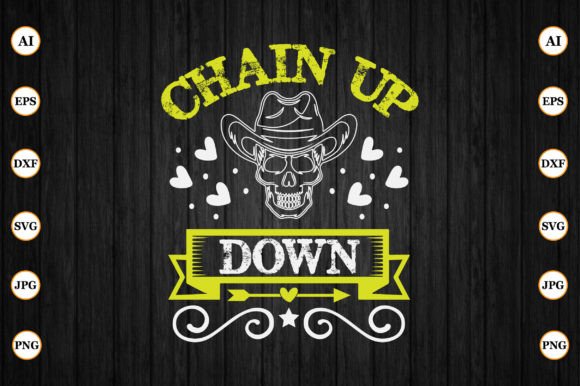
The first thing you notice about Chain Up Down is its bold, graphic nature. It screams "Western" without being overly cluttered. The visual personality is rugged yet clean, making it an excellent candidate for custom apparel that aims for a rustic-chic aesthetic. When I opened the AI file to trace the paths, I appreciated the clear separation of elements. For an applique design or a multi-color satin stitch project, having distinct shapes is crucial. It allows for precise placement and reduces the risk of thread tangling during the digitizing process.
The theme fits naturally into the current trend of Americana-inspired fashion. Whether you are creating holiday embroidery pieces for autumn festivals or designing commercial embroidery for a brand that specializes in western wear, this design has a strong identity. It feels confident. It doesn’t try to be delicate; it tries to be durable and eye-catching. That distinction matters because it tells you exactly where this design belongs: on sturdy fabrics that can handle its presence.
Real-World Application: From Screen to Stitch
Let’s talk about actual use cases. I envision Chain Up Down shining on heavy-weight cotton t-shirts and canvas tote bag design projects. The bold lines of the western motif work exceptionally well when stitched out in thick, high-quality polyester threads. However, the success of the final finished product depends heavily on your preparation.
Consider a scenario where you are preparing a personalized gift for a client who loves rodeo culture. You might choose to embroider this design on a denim jacket or a leather apron. In these situations, the stitch density needs to be managed carefully. If the design is too dense, it will pucker the fabric. If it is too sparse, it will look unfinished. Because the source files include both AI and SVG formats, you have the flexibility to adjust the scale before importing it into your embroidery software. This is a critical step for any digital embroidery file intended for commercial use.
I also tested the concept mentally on softer items, such as baby embroidery projects like onesies or burp cloths. Here, the design might feel a bit aggressive unless scaled down significantly and softened with pastel thread colors. For baby clothes, you want something that feels gentle, whereas sweatshirt embroidery can afford to be bolder. Knowing when to apply Chain Up Down to a rugged item versus a delicate one is part of the designer’s intuition.
Where to Use It (And Where to Be Careful)
Not every surface is created equal. While Chain Up Down is versatile, there are specific constraints you must respect to maintain professional quality.
- Small Hoop Sizes: If you are working with a 4x4 hoop, ensure the design scales proportionally. Tiny details in western designs can get lost if they are smaller than a few millimeters. Always inspect small details before starting the machine.
- Textured Fabrics: Avoid using this design on highly textured materials like chunky knits or bouclé. The fabric texture will interfere with the needle path, leading to skipped stitches and poor thread colors definition.
- Stretchy Fabrics: Jersey knits and spandex blends require a heavy-duty stabilizer. Without proper support, the fill stitch areas will distort the garment, ruining the silhouette of your custom apparel.
- Dense Stitch Areas: If the design includes large solid blocks of color, check the stitch density. Too many layers of thread can make the fabric stiff and uncomfortable against the skin, especially for personalized gifts worn directly on the body.
- Curved Surfaces: Applying this to caps or hats requires careful hooping. The western motif has straight lines that may warp if the cap’s curve is not accounted for in the digitization.
Design Notes for the Professional Maker
To get the most out of this graphics asset, follow these practical steps before committing to your final piece:
- Test on Scrap Fabric: Never run a new design on your best material without a test run. Use scrap fabric that matches the weight and weave of your final project.
- Check Thread Color Contrast: Western themes often pair well with earth tones, but ensure your thread contrasts enough with the fabric. On dark fabric, light threads may disappear; on light fabric, dark threads might overwhelm the design.
- Review Stitch Density: Look at the digital preview. Are there areas where the needle will travel back and forth excessively? Simplify if necessary to prevent bulk.
- Confirm Hoop Size: Ensure the design dimensions fit comfortably within your machine’s hoop limits, leaving room for stabilizer.
- Inspect Small Details: Zoom in on the AI file. Are there tiny decorative accents that might not stitch cleanly? Consider removing them for better durability.
- Test in Black and White: Convert the design to grayscale to check the balance of light and dark areas. This helps identify potential visibility issues.
- Use Proper Stabilizer: Cut-away stabilizers are generally recommended for woven garments, while tear-away may suffice for stable home decor items like pillow covers.
- Verify Licensing: Before selling any craft business items made from this design, confirm the license terms. Some digital downloads allow personal use only, while others permit commercial sales of the finished physical goods.
Final Verdict: Value and Versatility
Chain Up Down offers strong value for designers looking to add a touch of western flair to their portfolio. Its inclusion of multiple file formats (AI, SVG, PNG) makes it a robust design asset for both cutting and embroidery workflows. For the Etsy seller or creative entrepreneur, this means you can create matching cut-out decals and embroidered patches, offering customers a cohesive branded experience.
The design’s strength lies in its clarity and thematic consistency. It supports brand consistency by providing a recognizable, rugged aesthetic that appeals to a specific niche audience. When executed correctly, it enhances customer trust because it looks professional and intentional. Buyers can tell when a design has been thoughtfully applied rather than slapped on haphazardly.
However, remember that a great embroidery project starts with good technique. The file is only as good as the execution. By paying attention to stabilizer choices, thread quality, and fabric compatibility, you can transform this simple western motif into a premium handmade product that stands out in a crowded market.
In summary, Chain Up Down is a reliable, stylish choice for western-themed collections. It works beautifully for aprons, kitchen towels, blankets, and nursery decor when scaled appropriately. Just keep your expectations realistic regarding detail resolution and fabric limitations. With careful planning, this design can become a staple in your craft business repertoire, driving engagement through its distinctive, authentic style.