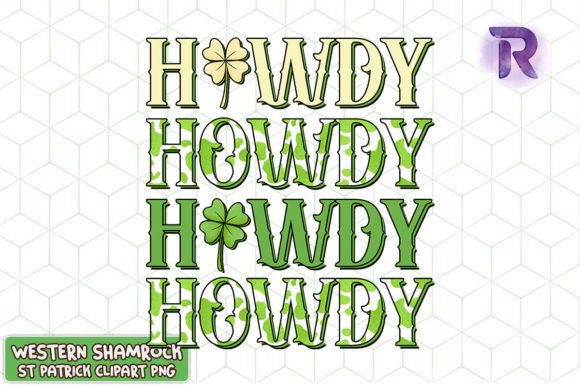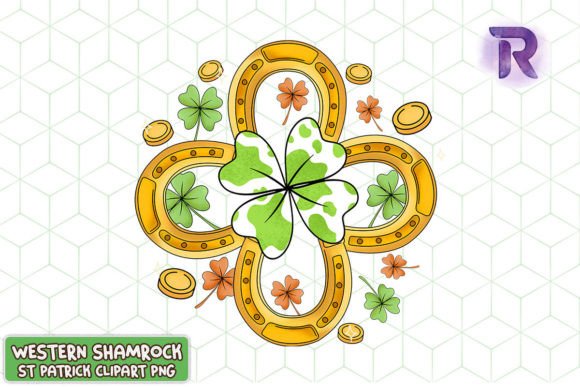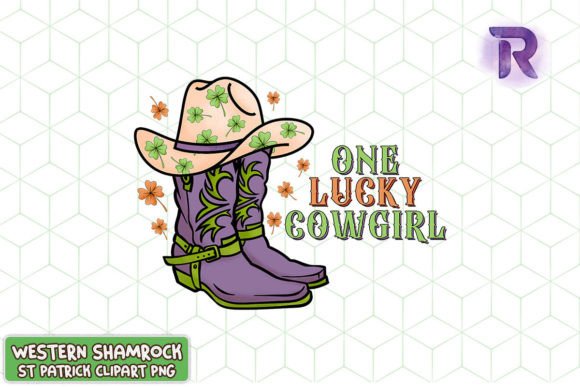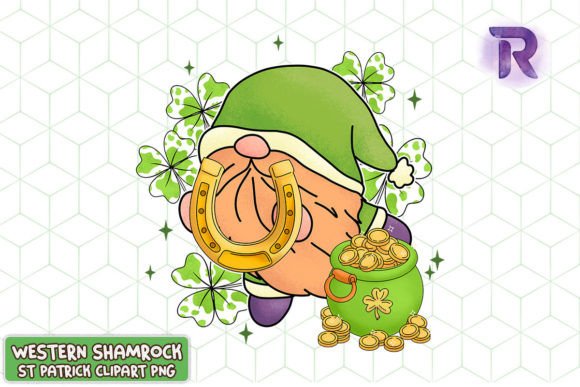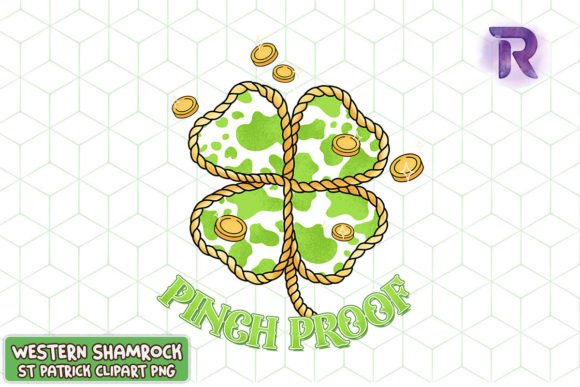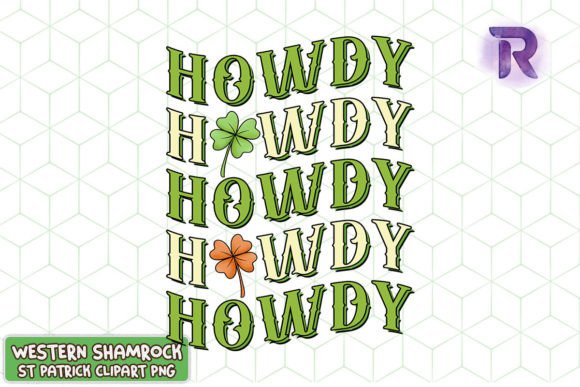
Howdy Lucky Leaf Western St Patrick
As a designer who spends half her life in the embroidery hoop and the other half judging font kerning, I approach every new download with a mix of hope and skepticism. We all know that a beautiful raster image doesn’t always translate to a clean stitch-out. That is exactly why I am reviewing Howdy Lucky Leaf Western St Patrick from this practical, behind-the-scenes perspective. This isn't just about looking at a pretty picture; it is about determining if this design holds up when pushed through a machine, stitched onto fabric, and ultimately sold or gifted.
The product falls squarely into the Crafts and Graphics categories, specifically as a digital asset for cutting or digitizing. The package provides a high-resolution PNG file at 300 DPI with a transparent background. While this clarity is excellent for planning your layout, it serves as a reminder that you are working with a graphic that needs careful interpretation before it becomes a physical object. Whether you are an Etsy seller looking for a quick holiday listing or a hobbyist making a personalized gift, understanding how this design behaves is key to avoiding costly mistakes.
First Impressions: Mood and Visual Personality
When you first load Howdy Lucky Leaf Western St Patrick onto your screen, the immediate takeaway is its strong thematic blend. It merges the rugged, friendly vibe of "Howdy" with the festive, green-hued symbolism of St. Patrick’s Day. For a designer, this is a tricky balance. Too much western flair can feel out of place on a delicate baby item, while too much holiday cheer might clash with a minimalist aesthetic. However, this design seems to hit a sweet spot where the typography feels bold enough to stand alone but decorative enough to pair well with smaller accents.
The visual personality is confident. It suggests a finished product that is casual, approachable, and celebratory. It does not scream luxury; rather, it whispers comfort. This makes it an ideal candidate for everyday wearable items rather than formal wear. When I imagine this design stitched out, I see it leaning towards earthy tones—mustard yellows, deep forest greens, and crisp whites. It feels like a design meant to be worn on a Saturday morning coffee run, not a Sunday gala.
Real-World Application: Where This Design Shines
In my experience, the most successful embroidery projects are those where the design matches the substrate. Howdy Lucky Leaf Western St Patrick has several natural homes in the world of handmade goods. Let’s look at how it performs in specific scenarios.
- Custom Apparel and Sweatshirts: This is perhaps the strongest use case. On a heavyweight cotton sweatshirt, the western theme pairs beautifully with the texture of the fabric. The design works well as a center chest placement or even across the back. The contrast between the soft fleece and the structured stitches creates a professional finish that customers love.
- Tote Bags and Canvas Goods: A tote bag design often requires durability and visibility. This graphic’s bold lines ensure it remains legible even after hours of carrying groceries or books. It adds a touch of personality to a utilitarian item, making it a great addition to a boutique’s accessory line.
- Holiday Gifts and Aprons: For kitchen towels or aprons, this design brings warmth to the home. It fits perfectly in a farmhouse-style kitchen decor theme. As a personalized gift, it allows the maker to add a name or date without cluttering the main graphic, creating a thoughtful keepsake.
- Baby Embroidery and Nursery Decor: Here, caution is required. While the theme is fun, the size and density matter. If used on baby clothes, it should be scaled down appropriately. On a pillow cover or nursery wall hanging, however, it can serve as a charming focal point that bridges the gap between rustic and festive.
Technical Considerations and Potential Pitfalls
No design is perfect, and Howdy Lucky Leaf Western St Patrick is no exception. As a reviewer, I must highlight where this design might struggle. Understanding these limitations will save you time and thread.
First, consider the stitch density. If this design includes heavy fill areas, it may become stiff on thin fabrics. Always check the intended hoop size relative to the garment. A design that looks balanced on a large hoop might look cramped on a small cap front. Furthermore, the western typography often involves sharp angles or curves that require precise satin stitch work. If the digitization is poor, these edges can pucker or fray.
Another critical factor is thread color contrast. Because the source is a transparent PNG, you have freedom in choosing colors, but you also bear the responsibility. Stitching bright green text on a dark navy hat might result in low visibility unless you use a light underlay or a contrasting thread. Conversely, white thread on a cream-colored tea towel will disappear entirely. Always test your thread colors against your actual fabric swatch before committing to a full production run.
Be wary of using this design on textured or stretchy fabrics without proper support. Knits, for example, require a stable stabilizer to prevent distortion. Without it, the "Howdy" text might warp, ruining the clean lines that make the design appealing in the first place.
Practical Designer Notes for Execution
To ensure your final product looks as good as the digital preview, follow these essential steps. These are not just tips; they are necessities for maintaining brand consistency and customer trust.
- Test on Scrap Fabric: Never stitch directly onto your final product. Use scrap pieces of the same material to check tension, stitch density, and color interaction. This step catches errors early.
- Inspect Small Details: Zoom in on the PNG. Are there tiny elements that might get lost in the stitching? If the design relies on fine details, consider simplifying it or increasing the scale to ensure clarity.
- Black and White Mockups: Convert your design to grayscale to check for contrast issues. If the design lacks depth in black and white, it may lack definition in color as well.
- Confirm Licensing: Before selling any commercial embroidery items, verify the license terms. Even though this is a digital embroidery file for crafting, commercial rights vary. Ensure you are compliant to protect your craft business.
- Use Proper Stabilizer: Match your stabilizer to your fabric weight. Heavy-duty cut-away stabilizers are best for hats and bags, while tear-away may suffice for lightweight quilting cotton.
Final Verdict: Is It Worth Your Time?
Ultimately, Howdy Lucky Leaf Western St Patrick is a versatile asset for any creative entrepreneur. It offers a unique fusion of themes that can help your Etsy listings stand out during the spring season. Its strength lies in its adaptability—it can be a personalized gift, a small shop product, or part of a larger design assets collection.
However, success depends on your execution. Treat it as a starting point, not a guarantee of quality. By paying attention to fabric choice, stabilization, and thread selection, you can transform this simple graphic into a high-value handmade product. For the embroidery designer willing to put in the prep work, this design has the potential to drive engagement and sales. Just remember: the magic happens in the stitching, not just the downloading.