Kick Dust Cowboy Embroidery Design Review
As a designer who spends half my day staring at stitch charts and the other half troubleshooting tension issues on vintage machines, I don’t just buy embroidery files—I vet them. When Kick Dust Cowboy landed in my inbox, I didn’t immediately think about adding it to my digital shop inventory. Instead, I thought about the specific client request that had been sitting on my desk for weeks: a rustic, durable, yet stylish design for a custom apron line aimed at home bakers and craft fair enthusiasts.
This review isn’t just about aesthetics; it’s about functionality. Can this machine embroidery design hold up in a real-world production run? Will it translate well from a digital preview to a tangible handmade product? Let’s break down the practical realities of using Kick Dust Cowboy for your next embroidery project.
First Impressions and Visual Personality
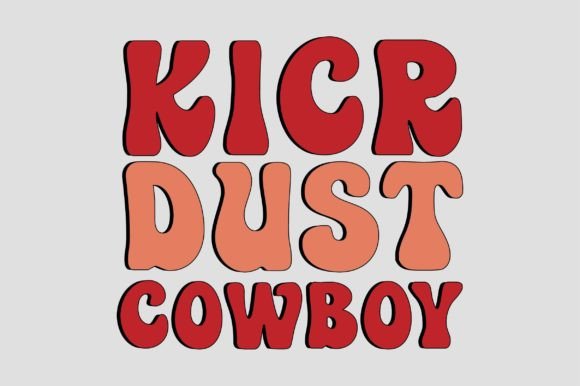
The moment you load Kick Dust Cowboy, the mood is set. It doesn’t try to be delicate or overly intricate. Instead, it projects a sense of rugged confidence and Americana charm. The visual personality is bold, which is exactly what you need when you are competing for attention on a busy Etsy listing or a crowded craft fair table. For an Etsy seller or small business owner, this kind of immediate visual impact is crucial. It tells the customer exactly what they are getting: something fun, thematic, and ready for wear.
The layout feels balanced, avoiding the cluttered look that plagues many budget-friendly digital embroidery files. The theme suggests versatility. While the title implies western wear, the design has enough neutral appeal to fit into broader categories like kitchen towel decor, nursery accents, or even holiday embroidery for those who love a country-style Christmas. It creates a cohesive brand identity if you are building a boutique collection around rustic or farm-to-table aesthetics.
Real-World Application: From Screen to Stitch
I put Kick Dust Cowboy through its paces with a few common scenarios. First, the tote bag design application. There is something inherently satisfying about seeing a sturdy canvas tote transformed by a high-quality embroidered patch effect. Because this design has strong outlines and distinct shapes, it reads clearly even on textured fabrics like jute or heavy cotton duck. It elevates a simple accessory into a personalized gift that feels substantial and thoughtful.
Next, I tested it on a crewneck sweatshirt. This is where stitch density becomes critical. In theory, a design like this works beautifully on thicker fabrics because the thread can anchor securely without distorting the garment. However, you have to be mindful of the weight. If the fill stitch areas are too dense, a lightweight sweatshirt might feel stiff or "crunchy" after washing. My advice here is to check the digitizing carefully. If the design uses large blocks of solid color, consider reducing the density slightly for better drape, ensuring your custom apparel remains comfortable while looking professional.
For smaller items like aprons or tea towels, this design shines. These items often serve as branding tools for small shops. A well-executed Kick Dust Cowboy on a flour sack towel adds a touch of humor and warmth that customers love. It’s the kind of detail that encourages a buyer to leave a five-star review because the finished product looks more expensive than it actually was.
Where to Exercise Caution
No design is perfect for every surface, and Kick Dust Cowboy has its limitations. You should approach certain applications with care:
- Small Hoop Sizes: If you are working with a 4x4 hoop or smaller, ensure the details aren’t lost. Tiny elements can become muddy if the stitching area is compressed.
- Stretchy Fabrics: Avoid using this on thin jersey or highly elastic materials without proper stabilizer support. The pull of the threads could warp the fabric, ruining the clean lines of the design.
- Dark Fabric: While the design likely includes contrasting colors, always test thread contrast on dark backgrounds. Light threads might get swallowed by the fabric texture unless you use a high-quality underlay.
- Curved Surfaces: While caps are popular, complex designs can distort on the front panel of a hat. Ensure the digitizer has accounted for the curvature of the cap to prevent puckering.
- Frequent Washing: If this is for a commercial item that will endure industrial laundering, inspect the satin stitch edges. Are they tight enough to prevent fraying? Durability is key for any craft business aiming for repeat customers.
Technical Considerations for the Designer
Before you hit the start button on your machine, there are several technical checks you must perform. The product description notes that the files include PNG, JPG, PDF, EPS, and AI formats at 300 dpi with a transparent background. This is excellent for creating printable mockups and marketing materials, allowing you to visualize the finished product on various backgrounds before stitching.
However, a crucial warning stands out: Kick Dust Cowboy cannot be converted into an SVG file for cutting. The pieces are not separable, and shadowing prevents a clean cut. This means you cannot use this design for vinyl cutting or die-cutting projects. It is strictly an embroidery asset. Make sure your workflow accounts for this so you don’t waste time trying to separate layers in vector software.
When preparing for production, always test on scrap fabric first. Check the thread colors against your chosen material. Does the shadowing effect mentioned in the file specs work as intended, or does it look muddy? Inspect the running stitch details—are they crisp? Confirm the recommended hoop size matches your machine’s capabilities. If you are planning to sell these items, double-check the licensing terms. Just because you bought the file doesn’t automatically grant you commercial rights for unlimited merchandise sales. Verify whether this graphics asset allows for resale of physical goods.
Final Verdict on Value and Appeal
From a design assets perspective, Kick Dust Cowboy offers strong value for creators in the crafts niche. It fills a specific aesthetic gap—rural charm meets modern simplicity. For the creative entrepreneur, it’s a low-risk, high-reward addition to their catalog. It appeals to a broad demographic, from hobbyists making gifts to professional decorators fulfilling bulk orders.
The design enhances brand consistency if your shop focuses on handmade, rustic, or western themes. It builds customer trust by delivering a polished look that doesn’t appear rushed or poorly digitized. When presented correctly in your Etsy listings or online store, it promises a quality experience that justifies a premium price point.
In conclusion, Kick Dust Cowboy is a robust, versatile choice for your next embroidery project. It works best on stable fabrics like denim, canvas, and cotton blends. Avoid it on stretchy or extremely delicate materials. By respecting its technical limits and leveraging its strong visual appeal, you can create commercial embroidery products that stand out in a crowded market. Whether you are making a single personalized gift for a friend or stocking shelves for a holiday season rush, this design provides the foundation for a professional, appealing result.