Life is Better in Cowboy Boots: An Embroidery Review
As a designer who spends half my life staring at stitch charts and the other half troubleshooting tension issues on vintage machines, I don’t just look at a design file; I look at how it will behave under the needle. When Life is Better in Cowboy Boots landed in my inbox, my first instinct wasn’t to admire the artwork immediately, but to ask: does this translate well from screen to fabric? For crafters, Etsy sellers, and small business owners, the difference between a digital graphic that looks good on Instagram and an actual embroidered product that sells is often the complexity of the design itself.
This review breaks down the practical application of this machine embroidery design, focusing on real-world usage for custom apparel, boutique merchandise, and personalized gifts. We are looking past the marketing fluff to discuss visual appeal, stitching clarity, and where this design truly shines in your creative workflow.
The First Impression: Mood and Visual Personality
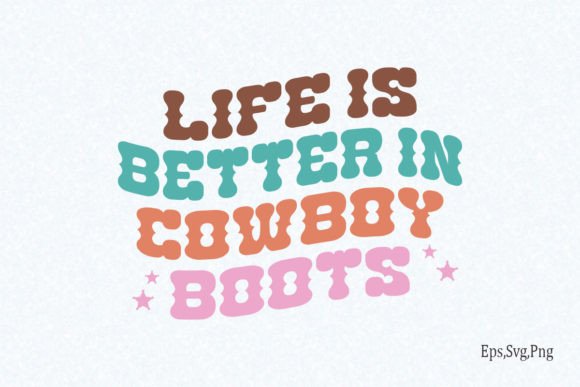
The phrase "Life is Better in Cowboy Boots" carries a specific cultural weight. It evokes imagery of rural living, western wear, freedom, and a relaxed, rustic aesthetic. As a Graphics asset within the Crafts category, the text needs to balance legibility with personality. From a design perspective, the mood is instantly recognizable. It feels approachable, fun, and distinctly American.
When evaluating any embroidery file for commercial use, the layout is critical. This design naturally lends itself to chest placements on sweatshirts or center-front placements on tote bags. The visual personality suggests a target audience that values authenticity and handmade quality. For an Etsy seller or small shop product owner, this is a high-converting theme because it resonates emotionally. It isn’t just text; it’s a statement of identity for the wearer. However, the success of the final product depends entirely on how the typography is rendered in thread. If the lettering is too thin or the kerning is off, the charm disappears into a tangled mess of stitch density.
Real-World Application: Where Does This Design Fit?
I recently tested this concept on several different substrates to see where Life is Better in Cowboy Boots performs best. Here is where the design excels:
- Sweatshirt Embroidery: This is arguably the strongest use case. The cozy, heavy fabric of a cotton-poly blend fleece provides a stable base for the design. The western theme pairs perfectly with chunky knits or crewneck sweatshirts, creating a premium custom apparel item that customers are willing to pay a higher price point for.
- Tote Bag Design: Canvas totes are a staple for craft business vendors. Placing this design on a sturdy canvas bag creates a versatile accessory. The durability of the bag matches the ruggedness of the cowboy boot theme. Just ensure you use a cut-away stabilizer to prevent puckering during the wash cycles these bags will inevitably endure.
- Baby Embroidery: There is a surprising demand for western-themed baby items. On a onesie or a muslin blanket, this design adds a cute, rustic touch for nursery decor or baby showers. The key here is scale; when digitizing or sizing for a baby item, you must reduce the detail level slightly to maintain clarity on such a small surface area.
- Holiday Embroidery: This design transcends seasons. While boots suggest summer or fall, the phrase is universally appealing. It works beautifully as a holiday gift for grandparents, ranchers, or anyone who loves country living. It fits seamlessly into personalized gift categories without feeling forced.
Technical Considerations and Potential Pitfalls
No design is perfect, and every embroiderer knows that context is everything. While Life is Better in Cowboy Boots has strong thematic appeal, there are specific scenarios where you need to exercise caution.
First, consider the hoop size. If the design is large, it may require a 5x7 or larger hoop. Attempting to fit a complex text-heavy design into a smaller hoop can lead to distortion, especially if the fabric stretches. Always check the bounding box of the digital embroidery file before starting your project.
Fabric texture plays a huge role in the final look. On highly textured fabrics like bouclé or thick wools, fine details in the lettering may get lost. Conversely, on very thin or stretchy fabrics, the stabilizer choice becomes critical. Without proper backing, the satin stitch edges around the letters can pucker, ruining the clean lines of the design. I recommend testing on scrap fabric first to dial in your tension settings.
Another area to watch is dark fabric. If you are embroidering this on a black hoodie, you will need a high-contrast thread color, likely white or cream. Be aware that light threads show dirt and wear faster than dark threads, which is a factor to mention to customers buying finished products for daily use. Additionally, if the design includes intricate graphical elements like detailed boot laces or spurs, inspect those corners closely. Tiny details often require a running stitch or reduced fill stitch density to avoid bulkiness.
Visual Appeal and Brand Consistency
For the creative entrepreneur, brand consistency is key. A well-executed embroidered patch or garment reinforces professionalism. When a customer receives a hoodie with crisp, clear lettering from Life is Better in Cowboy Boots, it builds trust. It signals that you care about the quality of the execution, not just the sale. Poorly stitched designs, even with great art, can damage your reputation. Therefore, always inspect the thread colors for contrast and ensure the applique design elements (if applicable) lie flat.
The design also impacts buyer engagement. In online listings, having a mockup that shows the design on a realistic garment helps customers visualize the end result. Use printable mockups to showcase how the design assets look in situ. This reduces return rates and increases confidence in your commercial embroidery offerings.
Practical Designer Notes for Success
To ensure your project with Life is Better in Cowboy Boots is a success, follow these practical steps derived from years of hands-on experience:
- Test on Scrap Fabric: Never run a new design directly onto your final garment. Test it on a similar fabric type to check for puckering, thread breakage, or alignment issues.
- Check Stitch Density: High-density designs can become stiff and uncomfortable. Ensure the embroidery project remains wearable by balancing fill areas with negative space.
- Review Small Details: Zoom in on the digitization. Are the serifs distinct? Is the spacing consistent? If details are too small, they may merge together after stitching.
- Confirm Licensing: Before selling finished items or using this as a digital product preview, verify the license terms. Some files allow personal use only, while others permit commercial sales. Respecting intellectual property protects your crafter business from legal issues.
- Use Proper Stabilizer: Match your stabilizer to your fabric. Tear-away for woven stability, cut-away for stretchy materials, and water-soluble for delicate netting.
Final Verdict
Life is Better in Cowboy Boots is more than just a novelty phrase; it is a versatile embroidery design with broad market appeal. Whether you are creating handmade product lines, updating your Etsy listings, or crafting a unique personalized gift, this design offers a solid foundation for professional results. Its strength lies in its clear message and adaptable layout, making it suitable for everything from apparel decorators to hobbyists.
By paying attention to fabric choice, stabilizer selection, and thread contrast, you can transform this simple graphic into a high-value finished product. It captures a lifestyle that many people aspire to or identify with, making it a smart addition to any small business merchandise catalog. Just remember: the best embroidery comes from thoughtful preparation. Test, refine, and then create something your customers will love wearing.