Rodeo Babe Western Sublimation Review
As a designer who spends half my life in digitizing software and the other half debugging stitch errors on the hoop, I don’t just look at a design file; I look at its potential. When Rodeo Babe Western Sublimation landed in my inbox, I didn’t immediately think about how pretty it would look in a preview window. I thought about how it would behave under the needle. Would the details hold up? Would it translate well to fabric? And most importantly, would it sell?
This review is for the makers, the Etsy sellers, and the small business owners who need to know if this asset is worth their time and thread. We are looking at a digital product that falls squarely into the Crafts and Graphics categories, offering high-resolution JPEG and SVG support files. But does a 4500×5400 pixel resolution guarantee a successful embroidery project? Let’s break down the practical reality of using Rodeo Babe Western Sublimation in real-world scenarios.
First Impressions: Mood and Visual Personality
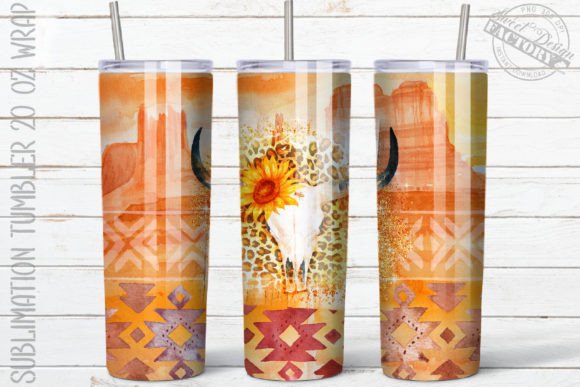
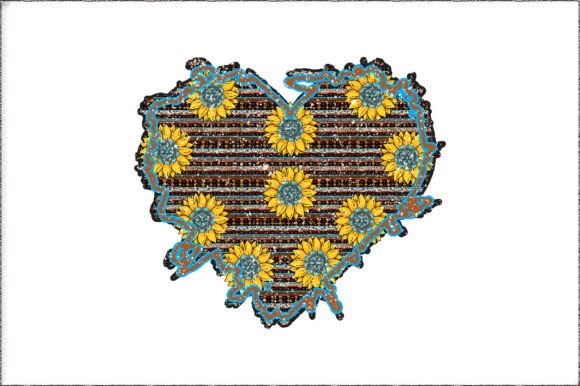
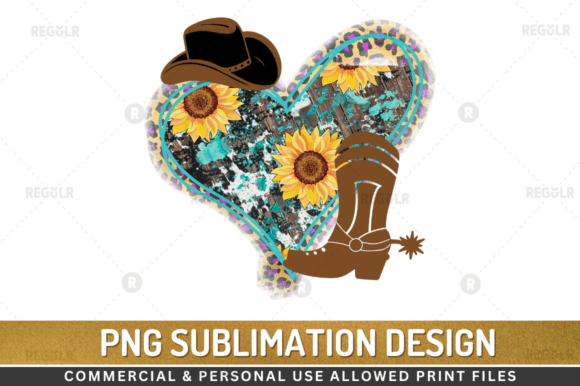
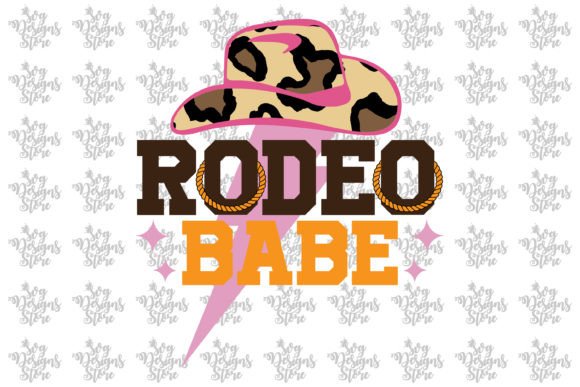
The moment you open the source file, the western theme is unmistakable. The layout carries a bold, confident energy that fits perfectly with the "Rodeo Babe" aesthetic. It isn’t subtle; it’s meant to be seen. For designers, this clarity is a good sign. It means the core shapes are distinct, which usually translates to easier digitization or cleaner direct-to-film transfers before embroidery.
The visual personality leans towards classic Americana with a modern twist. It feels like something that belongs on a premium cotton tee or a sturdy canvas tote rather than delicate lingerie. This distinction matters because it sets expectations for your customer base. If you are targeting buyers who love rustic, handmade charm with a touch of edge, this design hits the right notes. The color mode (RGB) suggests vibrant potential, but remember that screen colors rarely match thread colors exactly. Always keep that in mind when marketing the final product.
Real-World Application: Where Does It Shine?
I put Rodeo Babe Western Sublimation through a mental stress test across several common handmade product categories. Here is where it naturally fits:
- Custom Apparel & Sweatshirt Embroidery: This design has enough visual weight to stand out on the chest of a crewneck sweatshirt or the back of a denim jacket. It commands attention without overwhelming the garment. For an Etsy seller, this is a versatile item that appeals to gift-givers looking for something unique for birthdays or holidays.
- Tote Bag Design: Canvas totes are a staple in any craft fair booth. The graphic nature of the file works exceptionally well here. Whether used as a print before embroidery or as a standalone graphic element, it adds value to a simple accessory, turning it into a statement piece.
- Personalized Gifts & Baby Embroidery: While the theme is rugged, the "Babe" aspect softens it slightly, making it suitable for toddler outfits or nursery decor for a child of a rodeo enthusiast. However, scale is critical here. You must ensure the design isn’t too large for a onesie or baby blanket.
- Commercial Embroidery Projects: For boutique branding, this design could serve as a logo accent or a featured patch. Its clean lines suggest it could be digitized into an embroidered patch effectively, adding a professional touch to workwear or uniforms.
Technical Considerations and Stitch Behavior
Here is where we get into the nitty-gritty. As a reviewer, I have to warn you about the transition from digital graphics to physical stitching. The product description mentions SVG cut files and high-res PNGs. These are fantastic for printing or cutting vinyl, but they are not automatically machine-readable embroidery files unless specifically digitized.
If you are planning to use this as a machine embroidery design, you need to consider the following technical aspects:
- Stitch Density and Detail: The original graphic likely contains fine lines and complex curves. In embroidery, tiny details can disappear if the stitch density is too low or if the fabric stretches. You must evaluate whether the design needs simplification to maintain clarity. A cluttered embroidery job looks amateurish; a simplified version looks intentional and professional.
- Hoop Size Constraints: Before committing to production, check the dimensions. If the design is meant to be large, ensure it fits your standard hoops. If you are working on curved surfaces like caps, the distortion factor increases significantly. Test the placement carefully.
- Fabric Texture and Stabilizer: The choice of fabric changes everything. On a smooth cotton twill, the design will pop. On a textured linen or a stretchy jersey knit, you risk puckering or misalignment. Always use the proper stabilizer—cut-away for knits, tear-away for wovens—to keep the integrity of the design assets intact.
When to Be Cautious
Not every surface is a friend to this design. Avoid placing Rodeo Babe Western Sublimation on:
- Small Hoop Sizes: If the intricate parts of the graphic are lost in translation due to space constraints, the design loses its impact.
- Dark or Highly Textured Fabrics: Without proper underlay stitches or contrasting thread colors, the details may get swallowed by the background texture.
- Stretchy Garments: Unless you are experienced with stabilizing difficult fabrics, stretchy materials can distort the geometric elements of the graphic, leading to a warped final product.
Impact on Brand and Customer Trust
In the world of online selling, presentation is everything. Using a high-quality source file like this contributes directly to brand consistency. When a customer receives a finished product that looks crisp and well-executed, it builds trust. It signals that you care about quality.
Furthermore, a strong design like Rodeo Babe Western Sublimation enhances giftability. People buy emotional connections. A design that evokes a sense of freedom, adventure, or personal identity sells better than a generic pattern. By incorporating this into your craft business offerings, you are providing more than just a stitched image; you are providing a vibe.
However, professionalism also means managing expectations. If you are selling digital downloads, make sure your mockups clearly show how the design looks on fabric. Don’t let the RGB brightness of the screen deceive the buyer. Use printable mockups that simulate fabric texture to give an accurate representation of the embroidery project.
Practical Designer Notes for Success
Before you start stitching or listing items, follow these steps to ensure success:
- Test on Scrap Fabric: Never go straight to the final product. Run a test stitch on a scrap piece of the same material. Check for thread breaks, tension issues, and overall clarity.
- Check Thread Color Contrast: The RGB file gives you a guide, but thread brands vary. Select threads that offer sufficient contrast against your chosen fabric. Dark threads on dark fabric often lose detail.
- Review Small Details: Zoom in on the SVG or JPEG. Are there tiny elements that might not render well in satin stitch? Consider simplifying these areas during the digitizing phase.
- Confirm Licensing: This is crucial. Ensure you have the commercial rights to sell finished items made from this design. Some graphics allow personal use only, while others permit full commercial exploitation. Verify this before you invest time in production.
- Black and White Mockup: View the design in grayscale. This helps you assess the balance and composition without being distracted by color. If it looks good in black and white, it will look great in color.
Final Verdict
Rodeo Babe Western Sublimation is a robust, visually engaging asset that holds significant potential for both personal projects and commercial ventures. Its strength lies in its clear thematic identity and high-resolution source files, which provide flexibility for various applications. However, its success depends entirely on execution. The difference between a mediocre embroidered item and a bestseller often comes down to stitch quality, fabric choice, and proper preparation.
For the savvy maker, this design offers a solid foundation for creating memorable small shop products. Whether you are decorating a tote bag, customizing a sweatshirt, or creating a unique personalized gift, this graphic provides the visual punch needed to capture attention. Just remember: technology handles the pixels, but your skill handles the fabric. Treat the digitization and stitching process with respect, and this design will reward you with a beautiful, market-ready embroidery file result.