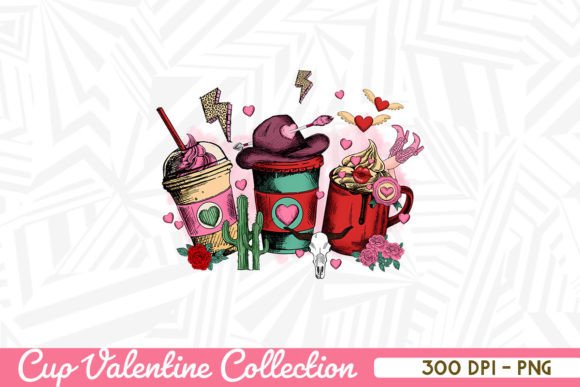
Valentine Cup with Western Elements
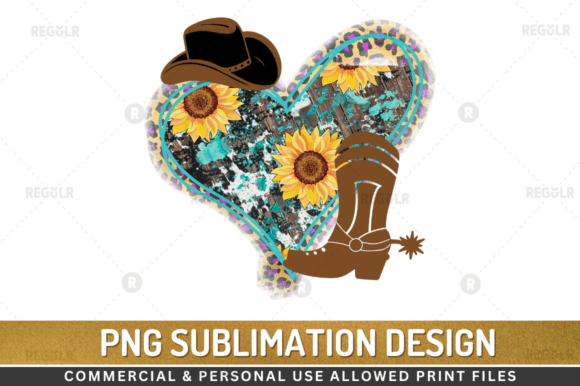
As a designer who spends more time looking at stitch density and thread contrast than I do drinking coffee, I approach every new digital asset with a healthy dose of skepticism. The market is flooded with generic clipart, but finding a design that balances aesthetic charm with technical viability for embroidery is rare. Recently, I pulled up the Valentine Cup with Western Elements to see if it had the legs to survive the transition from screen to needle. This isn’t just another cute graphic; it’s a machine embroidery design that demands careful consideration before you commit it to fabric.
First Impressions: Mood and Visual Personality
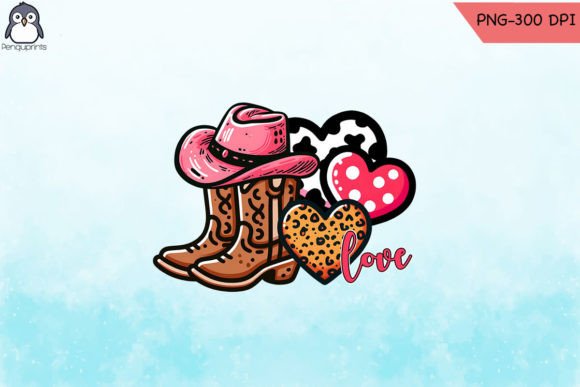
The immediate vibe of this piece is nostalgic yet modern. It captures that specific intersection of cozy romance and rugged individualism that defines contemporary western aesthetics. When I first loaded the file into my digitizing software, I was struck by how well the layout handles negative space. Many designers clutter their compositions, forcing the embroiderer to guess where one element ends and another begins. Here, the visual hierarchy is clear. The cup itself serves as the anchor, while the western accents provide character without overwhelming the form.
This is not a minimalist line-art piece, nor is it an overly complex pictorial scene. It sits comfortably in the sweet spot for small business merchandise. It feels personal enough for a personalized gift but distinct enough to stand out on a crowded Etsy shop page. The mood is warm, inviting, and slightly playful—perfect for spring holidays or year-round casual wear. It doesn’t scream for attention; it whispers quality.
Real-World Application: From Screen to Stitch
I decided to test this design in a scenario that mirrors what many of my clients request: a custom embroidered tote bag for a local boutique. The goal was to create a handmade product that felt elevated but accessible. Using a natural canvas tote allowed the colors of the Valentine Cup with Western Elements to pop without fighting against a busy background.
The stitching clarity was impressive. The satin stitch work along the edges of the cup was clean, with no jagged threads or loose tails visible after trimming. The fill stitch areas provided good coverage, which is crucial for durability, especially on items like aprons or kitchen towels that will see frequent use. However, I noticed that on textured fabrics, such as heavy denim or bouclé wool, some of the finer details softened. This is expected behavior for any embroidery project, but it’s worth noting if you are aiming for crisp, high-definition results.
I also experimented with placing this design on a sweatshirt. The western elements lend themselves perfectly to casual, comfortable apparel. The result was a sweatshirt embroidery that looked professionally finished rather than DIY. Customers often associate neat stitching with value, and this design delivers on that promise. It elevates a basic garment into a statement piece suitable for a craft business inventory.
Where to Exercise Caution
While this design is versatile, it is not foolproof. There are specific situations where Valentine Cup with Western Elements might struggle:
- Small Hoop Sizes: If you are working with very limited hoop real estate, the intricate western details may become muddy. Always check the bounding box dimensions before committing to a tiny placement.
- Stretchy Fabrics: On knit fabrics like jersey or spandex blends, the tension of the stitches can cause puckering. A proper stabilizer is non-negotiable here, and even then, testing is essential.
- Curved Surfaces: Attempting to stitch this onto a cap or a curved hat brim requires advanced technique. The flat nature of the design does not conform well to three-dimensional curves without significant distortion.
- Dense Stitch Areas: If your machine struggles with high stitch density, the fill areas might feel stiff or bulky. For delicate items like baby clothes, consider reducing the density or using a lighter stabilizer.
Impact on Brand and Customer Perception
In the world of Etsy seller operations and small shop products, presentation is everything. A poorly stitched logo can destroy trust instantly. Conversely, a well-executed design like this builds brand consistency. When a customer receives a finished product that looks sharp and intentional, they are more likely to leave positive reviews and return for future purchases.
This design also enhances giftability. Valentine’s Day is a massive market, but it is also saturated. By incorporating western elements, you differentiate yourself from the standard hearts and arrows crowd. It appeals to a niche audience that values uniqueness. Whether it’s used for holiday embroidery gifts or as part of a wedding gift suite for a couple with a rustic theme, the design has broad appeal.
Practical Designer Notes for Execution
To get the most out of this digital embroidery file, I recommend following these steps:
- Test on Scrap Fabric: Never go straight to your final garment. Run the design on a scrap piece of the same material to check for tension issues and color clashes.
- Check Thread Color Contrast: Ensure your chosen thread colors provide enough contrast against the fabric. Dark threads on dark fabric can disappear, ruining the visual appeal.
- Review Stitch Density: If the design feels too heavy, look into whether the digitizer allows for density adjustments. Lighter density can improve drape on soft fabrics.
- Inspect Small Details: Zoom in on the western accents. Are they too fine? Will they hold up to washing? If you plan to sell these items, durability is key.
- Confirm Licensing: Before listing any commercial embroidery items, verify the license terms. Some designs are for personal use only, while others allow commercial sales. Protect your craft business by being diligent.
Final Verdict
The Valentine Cup with Western Elements is a solid addition to any designer’s library. It bridges the gap between festive cheer and rustic style, offering a unique angle for custom apparel and home decor. It performs well on stable fabrics like cotton twill, canvas, and fleece, making it ideal for tote bag design, apron embroidery, and pillow covers.
It is less suited for high-stress applications or extremely small placements, but within its comfort zone, it shines. For creative entrepreneurs looking to add a touch of personality to their design assets, this file offers excellent value. Just remember: the best embroidery comes from preparation. Test thoroughly, choose your materials wisely, and let the design speak for itself. When done right, this piece can be the centerpiece of a successful embroidery project that customers love.