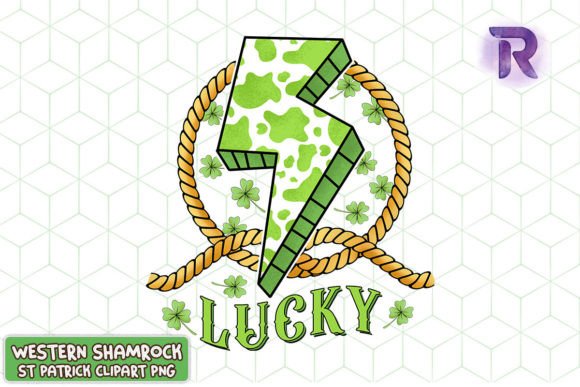
Western Retro Lucky St Patrick Day Embroidery Review
As a designer who spends more time than I care to admit staring at stitch density charts and testing thread tensions, I approach every new download with a healthy dose of skepticism. The digital asset market is flooded with generic clip art that looks fine on a screen but falls apart when pushed through a needle. That is why I always test designs in real-world scenarios before recommending them for commercial use or client projects. Today, I am putting Western Retro Lucky St Patrick Day through its paces to see if it holds up as a viable option for serious embroidery work.
This design arrives in the Crafts and Graphics category, specifically marketed as a cutting file provided in a ZIP containing a 300 DPI transparent PNG. While the file type suggests it may be intended for vinyl or sublimation, the visual composition often translates surprisingly well into machine embroidery if the layout is interpreted correctly. My goal here is to evaluate the artistic merit, practical application, and potential pitfalls of using this graphic for an actual embroidery project.
First Impressions: Mood and Visual Personality
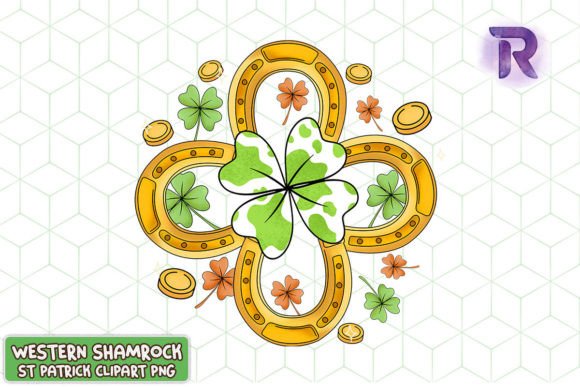
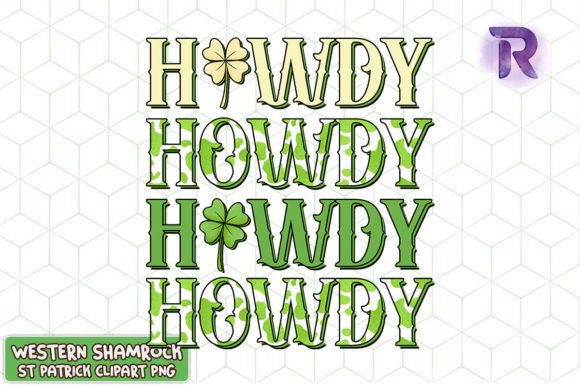
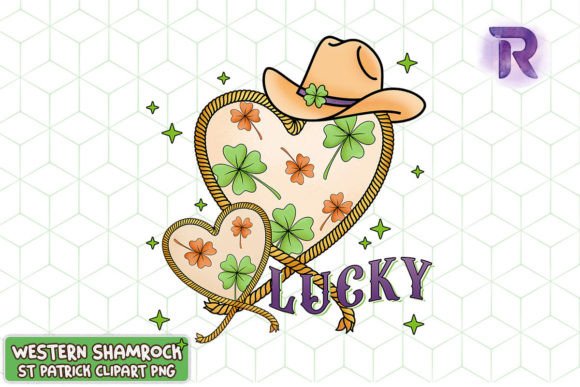
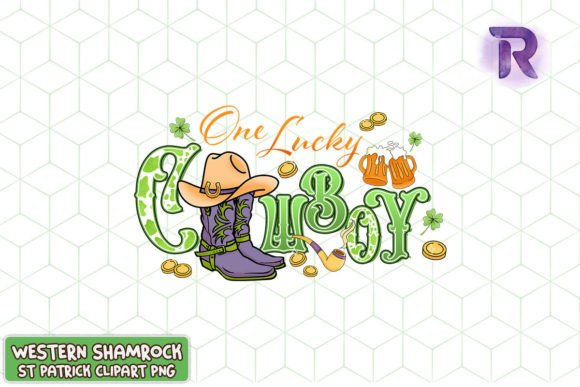
The immediate appeal of Western Retro Lucky St Patrick Day lies in its nostalgic aesthetic. It captures that specific blend of rugged western iconography and festive holiday cheer without feeling cluttered. The mood is warm, inviting, and distinctly Americana-meets-Celtic. For an embroiderer, this is crucial because the design has enough negative space to breathe, which is often where lesser designs fail by becoming a tangled mess of thread.
The visual personality feels confident. It does not try too hard to be cute; instead, it leans into a bold, retro vibe that resonates well with current trends in handmade apparel. When I first loaded the PNG preview into my digitizing software, I appreciated the clear separation of elements. The shapes are distinct, suggesting that if you were to trace or adapt this for an applique design, the boundaries would be easy to follow. The retro color palette implied by the title suggests high contrast, which is excellent for stitch density planning.
Real-World Application: Where This Design Shines
I recently imagined using Western Retro Lucky St Patrick Day for a custom order of tote bags for a local boutique’s spring collection. The concept was simple: a sturdy canvas bag featuring this design centered on the front panel. Here is how I think it would perform in that context.
For a tote bag design, the durability of the visual is key. Unlike delicate florals that might get lost in the weave of heavy canvas, this bold, retro graphic commands attention. The western theme pairs naturally with the utilitarian nature of a tote, creating a product that feels both fashionable and functional. If executed with proper stabilizer support, the design would likely hold its shape after multiple washes, a critical factor for any handmade product sold to customers who expect longevity.
Beyond totes, this design has strong potential for sweatshirt embroidery. The chunky lines typical of retro graphics translate beautifully to fill stitches on fleece or cotton blends. Imagine a crewneck sweatshirt in heather grey or olive green, featuring this design on the chest or back yoke. It creates an instant custom apparel piece that fits perfectly into the seasonal market. Similarly, for aprons used in baking or crafting businesses, the design adds a touch of personality without overwhelming the garment’s primary function.
It also works exceptionally well for holiday embroidery gifts. A set of matching kitchen towels or pillow covers featuring this motif makes for a thoughtful personalized gift. The thematic relevance ensures it sells itself during the March rush, while the timeless western style keeps it from looking dated once April passes.
Technical Considerations and Potential Pitfalls
No design is perfect, and Western Retro Lucky St Patrick Day has areas where a designer must exercise caution. Because the source is a PNG cutting file, it lacks the inherent structure of a native embroidery file (.PES, .DST, etc.). This means you are likely tracing or converting it, which introduces variables regarding thread colors and stitch direction.
One area to watch closely is small detail. If the original graphic contains tiny text or intricate line work, these elements can become muddy when stitched, especially on textured fabrics. I strongly advise inspecting the small details before committing to a production run. If the design includes lettering, ensure it remains legible after conversion. Tiny fonts often require a smaller hoop size and higher precision, which increases the risk of puckering.
Fabric choice is another critical factor. On stretchy knits, such as those found in baby clothes or fitted t-shirts, a dense retro graphic can cause distortion if not stabilized properly. In such cases, a cut-away stabilizer is non-negotiable. Conversely, on woven fabrics like denim or linen, the design will sit flat and look crisp. Avoid using this on thin, sheer fabrics unless you are using a backing that provides sufficient rigidity.
Also, consider the embroidered patch application. If you plan to create patches for hats or jackets, the clean edges of this retro design will allow for a neat satin stitch border. However, ensure the background color of your fabric contrasts well with the design’s primary colors. Dark fabrics may require a light underlay or a contrasting background patch to make the design pop.
Practical Designer Notes for Success
- Test on Scrap Fabric: Always stitch a sample on the exact fabric you intend to use. This reveals how the fabric texture interacts with the thread and helps you adjust tension settings.
- Check Contrast: View the design in black and white mockups to ensure the value contrast is sufficient for stitching clarity.
- Verify Licensing: Since this is a digital asset, confirm whether the license permits commercial use for finished products. Many creators restrict the sale of physical items made from their files, so check the terms before listing on Etsy or other platforms.
- Optimize Stitch Density: If you are digitizing this yourself, avoid overly dense fills. A slightly open fill stitch often looks more professional and reduces thread breakage.
- Hoop Size Awareness: Ensure the final design dimensions fit comfortably within your standard hoop sizes to minimize re-hooping and alignment errors.
Final Verdict: Is It Worth Adding to Your Library?
Western Retro Lucky St Patrick Day is a strong contender for designers looking to add seasonal flair to their craft business inventory. Its retro western theme offers a unique twist on traditional St. Patrick’s Day imagery, setting it apart from the ubiquitous shamrocks and leprechauns. For Etsy sellers and small shop owners, this design provides a versatile foundation for creating cohesive collections of digital embroidery file derivatives or physical goods.
The design excels in projects where boldness and nostalgia are desired. It performs best on stable fabrics, medium-to-large hoops, and applications where the visual impact is paramount. By paying attention to stabilization, thread selection, and licensing, you can transform this PNG asset into a high-quality finished product that customers will love.
Ultimately, this review highlights that success in embroidery often comes down to preparation. With careful execution, Western Retro Lucky St Patrick Day can elevate your design assets and help you capture the seasonal market with confidence and style.