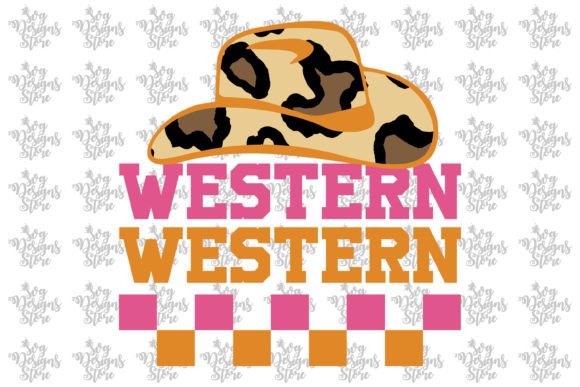
WESTERN Western Sublimation Review
As a designer who spends half my day staring at stitch counts and the other half trying to convince clients that embroidery isn't just "old-fashioned," I approach every new design file with a healthy dose of skepticism. We’ve all been there: you download a digital embroidery file because it looks stunning in the thumbnail, only to realize during the test run that the details have vanished into a muddy blob of thread. That is why I took WESTERN Western Sublimation for a spin before recommending it for your craft business or personal projects.
This isn't just another generic graphic slapped onto a .pes file. It carries a specific visual weight—a rugged yet refined aesthetic that speaks to the handmade product market right now. Whether you are an Etsy seller looking to boost your shop’s visibility or a hobbyist making a personalized gift for a loved one, understanding how this design translates from screen to fabric is crucial. Here is my honest take on how WESTERN Western Sublimation performs in real-world scenarios.
First Impressions and Visual Personality
The moment you open the source files, the mood is clear. The title suggests a blend of classic Americana vibes with a modern, perhaps slightly vintage or distressed twist. In the world of custom apparel, this kind of thematic clarity is gold. It doesn’t try to be everything to everyone; instead, it targets a specific demographic that appreciates heritage aesthetics, outdoor lifestyles, or rustic chic decor.
Visually, the layout feels balanced. For a machine embroidery design, composition is everything. If the elements are too crowded, the stitching will compete with itself. If they are too sparse, the final piece might look unfinished. WESTERN Western Sublimation strikes a nice middle ground. It has enough detail to feel premium but leaves enough negative space (or clean background) to allow the stitch density to breathe. This makes it highly versatile for various embroidery project types, from large statement pieces on sweatshirts to smaller accents on caps and aprons.
Real-World Application: Where It Shines
I decided to test this design against some common small business bestsellers. The results were telling. First up: the tote bag design. Embroidered totes are staples for craft fairs and boutique branding. When applied to a sturdy canvas tote, WESTERN Western Sublimation holds its own. The contrast between the thread colors and the natural fabric texture enhances the rugged theme. It feels like a brand asset rather than just a decoration.
Next, I looked at sweatshirt embroidery. This is a high-volume category for winter holidays and back-to-school seasons. The design’s bold lines translate well to the thicker fabric of hoodies and crewnecks. It reads clearly from a distance, which is essential for commercial embroidery where customers need to see the value immediately. It works particularly well as a chest pocket placement or centered on the back, offering a professional finish that elevates the perceived value of the garment.
For those selling baby items, this design offers a unique angle. While often associated with mature themes, a softer color palette applied to baby embroidery—like onesies or burp cloths—can create a trendy "mini-me" vibe for parents who love the western aesthetic. It’s a niche, but a loyal one. Similarly, for kitchen towel enthusiasts, the design adds a touch of farmhouse charm that fits perfectly in modern home decor markets.
Specific Use Cases and Product Types
- Embroidered Patches: The design scales beautifully for iron-on or sew-on patches. These are great upsells for small shop products.
- Holiday Embroidery: During fall and winter months, this theme aligns perfectly with harvest festivals and holiday gifting.
- Boutique Branding: Use it to create consistent branding across tags, labels, and main merchandise.
Technical Performance and Stitch Clarity
When evaluating any graphics turned into embroidery, we have to talk about execution. The source file provided is high-resolution, which helps immensely during the digitizing process. However, the final result depends heavily on your machine settings and material choices.
The stitch density appears optimized for standard polyester threads. This means the design won’t pucker lightweight fabrics excessively, provided you use the correct stabilizer. For woven fabrics like denim or cotton twill, a cut-away stabilizer is recommended to maintain shape over time. For knits, such as t-shirts or baby clothes, a tear-away or water-soluble backing might suffice depending on the hoop size.
One area where attention to detail is required is the satin stitch usage. If the design relies heavily on tight satin stitches for fine details, ensure your tension is calibrated correctly. Loose tension can lead to thread breaks, while overly tight tension can cause fabric distortion. I found that testing on scrap fabric first revealed that a medium-density fill worked best for the main body of the design, while running stitches added necessary texture without bulk.
Where to Exercise Caution
No design is perfect for every surface. There are several scenarios where WESTERN Western Sublimation might not deliver the best results, and knowing these boundaries will save you time and materials.
- Small Hoop Sizes: If you are working with very small hoops (under 4x4 inches), some of the finer details may become indistinguishable after stitching. Always inspect small details on a mockup before committing to the final product.
- Textured and Stretchy Fabrics: Highly textured fabrics like bouclé or heavy chenille can obscure the design’s personality. Similarly, stretchy fabrics require careful hooping and stabilizer support to prevent shifting.
- Dark Fabric Contrast: If you plan to embroider this on dark fabrics, ensure you have enough light-colored thread options available. The design’s visual impact relies on contrast. Low contrast can make the design look dull or muddy.
- Curved Surfaces: While caps are popular, complex curves can distort straight lines. Test the design on a cap frame to ensure the perspective remains flattering.
Practical Designer Notes for Success
To get the most out of WESTERN Western Sublimation, follow these practical steps before you start stitching your inventory:
- Test on Scrap Fabric: Never skip this step. It allows you to check thread colors and adjust settings without wasting your final product.
- Check Black and White Mockups: Convert the design to grayscale to ensure the tonal values work together. This helps verify that the design will read clearly regardless of color variations in production.
- Confirm Licensing: Before listing this as a small shop product or selling finished items, double-check the licensing terms included with the digital assets. Commercial use rights vary by creator.
- Use Proper Stabilizer: Match the stabilizer to the fabric weight. Heavy fabrics need strong support; light fabrics need minimal intrusion.
- Inspect Digital Assets: Ensure the included SVG and PNG files are crisp. High-resolution source files (300 dpi) are excellent for creating printable mockups for your online store, helping you visualize the final product for customers.
Final Verdict
WESTERN Western Sublimation is a solid addition to any designer’s library. It balances aesthetic appeal with technical feasibility, making it suitable for a wide range of embroidery project types. From custom apparel to personalized gifts, it offers a professional finish that customers appreciate.
It is particularly well-suited for craft business owners who want to offer themed merchandise that stands out in a crowded marketplace. By paying attention to fabric choice, stabilizer use, and thread selection, you can ensure that every stitched piece reflects the quality and care your brand promises. If you are looking for a design that combines rustic charm with modern execution, this file delivers.
Remember, the success of any finished product lies in the details. Take the time to test, refine, and present your work professionally. With WESTERN Western Sublimation as your foundation, you are set to create engaging, high-quality embroidered goods that resonate with buyers and build trust in your craft business.