Cactus Western Easter Eggs Cowboy Hat Review
When I sit down to review a new digital asset for my embroidery studio, I am rarely looking for just "pretty." I am looking for viability. Can this design survive the hoop? Will it hold up after twenty washes? Does it translate well from a flat PNG on a screen to a textured, three-dimensional stitched piece that a customer will proudly wear or display? Today, I am putting Cactus Western Easter Eggs Cowboy Hat through that exact paces. This is a graphic that sits at a fascinating intersection of seasonal trends and rustic Americana, and as an experienced designer, I want to share my honest take on how it performs in real-world applications.
The First Impression: Mood and Visual Personality
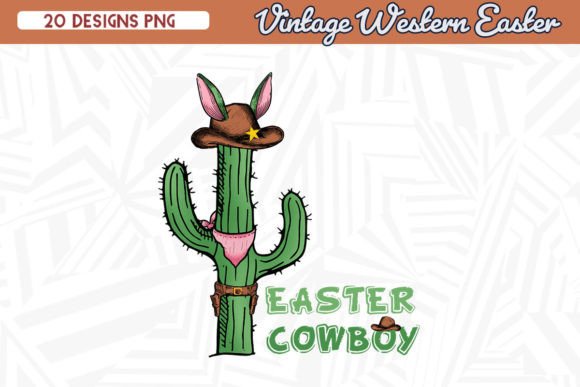
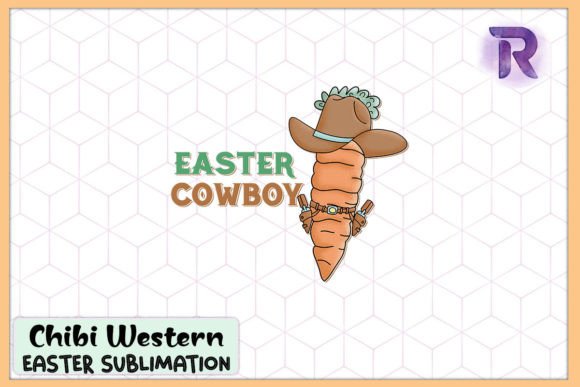
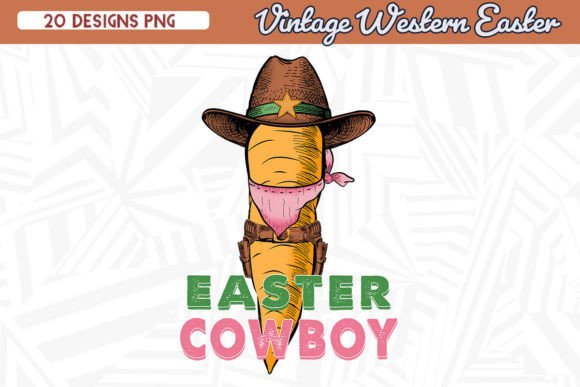
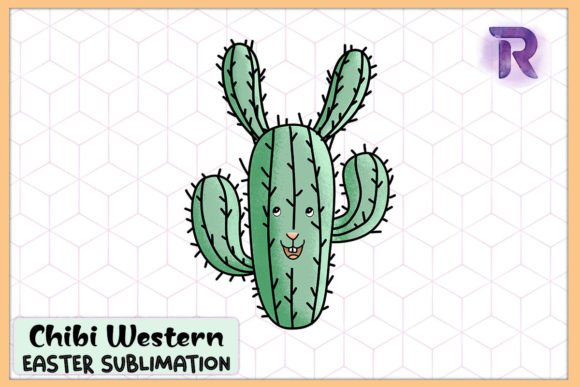
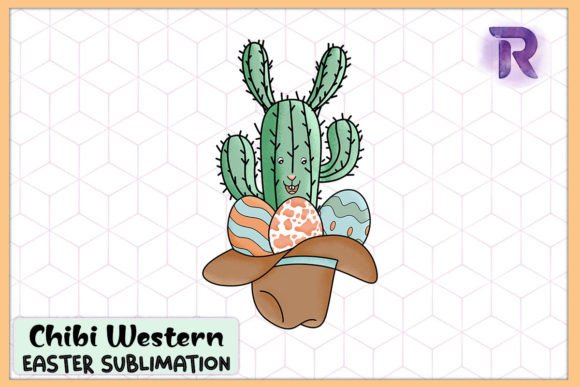
The moment you load the file, the mood is immediately established. It is playful but grounded. The combination of a cactus, western-themed eggs, and a cowboy hat creates a specific narrative. It is not just generic spring decor; it is targeted. It speaks to a demographic that loves the Southwest aesthetic, ranch life, or simply enjoys quirky, handcrafted humor. For the Etsy seller or small shop owner, this is valuable because it reduces the cognitive load for the buyer. They see the image and instantly know who it is for.
Visually, the layout feels balanced. The elements are grouped in a way that suggests a cohesive badge or emblem rather than scattered clipart. This is crucial for machine embroidery design because it dictates how the hooping and stitching sequence will flow. The visual personality is friendly and approachable, which makes it an excellent candidate for personalized gifts, baby items, and casual apparel. It avoids being too stiff or corporate, leaning instead into the handmade product charm that drives engagement in the craft community.
Real-World Application: Where This Design Shines
In my testing, Cactus Western Easter Eggs Cowboy Hat proved most effective on structured surfaces where the fabric can support the weight of the threads without distorting. Here is where I see the highest potential for success:
- Tote Bag Embroidery: Canvas tote bags are a staple for craft business owners. The sturdy fabric provides a perfect backdrop for this design. The western theme pairs beautifully with natural canvas tones, creating a boutique-level look that feels authentic.
- Sweatshirt Embroidery: Fleece or heavy cotton sweatshirts offer a cozy texture that complements the rustic vibe of the cactus and hat. Placing this on the chest or back yoke creates a standout custom apparel piece that feels warm and inviting.
- Baby Embroidery: There is something undeniably cute about combining baby motifs with a rugged western theme. On a onesie or a burp cloth, this design adds character. It stands out against soft pastels or neutral creams, making it a strong choice for nursery decor or baby shower gifts.
- Embroidered Patch: If you plan to create detachable patches, this graphic’s contained shape works well. It can be applied to denim jackets, backpacks, or beanies, allowing customers to customize their gear further.
For the digital product seller, this design also serves as a powerful asset for printable mockups. The clear shapes and distinct colors make it easy to visualize on various products, helping to drive sales before the physical item is even produced.
Technical Considerations and Stitch Performance
As a reviewer, I must address the technical side. While the source is described as a cutting file (PNG), converting this to an embroidery file requires careful digitizing attention. The design features organic shapes like cactus arms and egg contours, which need smooth curves to avoid jagged edges in satin stitch.
One critical factor is stitch density. If the fill stitches are too dense, the fabric may pucker, especially on lighter materials. Conversely, if they are too sparse, the underlying fabric might show through, ruining the crispness of the western theme. I recommend checking the thread colors carefully. A high-contrast setup—such as dark green for the cactus against a light background, or tan for the hat against navy blue—will ensure the details pop. Low contrast can make the eggs blend into the background, losing the festive intent.
Also, consider the hoop size. Ensure your machine’s hoop accommodates the full width of the design without requiring awkward re-hooping, which can misalign the registration. If you are using this for a tote bag design, verify that the bag’s gusset or seam does not interfere with the hooping area.
Where to Use With Caution
Not every surface is created equal. There are specific scenarios where Cactus Western Easter Eggs Cowboy Hat might struggle:
- Stretchy Fabrics: Avoid placing this on thin, highly stretchy jersey knits unless you use a heavy-duty stabilizer. The tension of the stitches could cause the garment to warp over time.
- Curved Surfaces: While caps are popular, the complexity of the design (multiple distinct objects) might become distorted on a small, curved cap front. It is better suited for larger, flatter areas.
- Dense Stitch Areas: If the digitized version has large blocks of fill stitch, test it on scrap fabric first. Dense areas can feel stiff and uncomfortable against the skin, particularly on baby clothes.
- Dark Fabric Without Underlay: If embroidering on black or dark grey fabric, ensure there is sufficient underlay stitch to prevent the design from sinking into the fibers. Light-colored threads may require a backing layer to maintain opacity.
Impact on Product Value and Customer Trust
Using a well-executed design like this directly impacts your brand’s perceived value. Customers associate clean stitching and thoughtful design choices with professionalism. When a buyer receives a personalized gift or a small shop product that looks polished, they are more likely to leave positive reviews and return for future purchases.
This design also enhances brand consistency. If your shop focuses on whimsical, rustic, or holiday-themed goods, adding this to your collection reinforces your niche. It signals to the creative entrepreneur that you understand current trends while maintaining a unique aesthetic. The "Western Easter" theme is specific enough to attract a dedicated audience but broad enough to appeal to general lovers of crafts and seasonal decor.
Practical Designer Notes Before You Stitch
Before you commit this design to your production line, I advise taking these practical steps:
- Test on Scrap Fabric: Always run a test stitch-out. Check for thread breaks, tension issues, and color accuracy.
- Check Licensing: Since this is a graphics asset, confirm whether you have commercial rights to sell finished embroidered items. This is non-negotiable for any Etsy seller or commercial embroidery project.
- Use Proper Stabilizer: Match your stabilizer to your fabric weight. Tear-away for wovens, cut-away for knits, and adhesive-backed options for tricky materials.
- Inspect Small Details: Zoom in on the digital preview. Are the egg patterns clear? Is the cowboy hat brim defined? Small details often get lost in translation, so catch them early.
- Compare Backgrounds: View the design on both light and dark backgrounds in your editing software. This helps you decide which thread colors will yield the best visual impact.
Ultimately, Cactus Western Easter Eggs Cowboy Hat is a versatile, charming addition to any embroidery project library. It bridges the gap between seasonal fun and timeless western style. By paying attention to the technical details and choosing the right substrates, you can turn this digital asset into a profitable, beloved finished product that resonates with customers who appreciate quality and creativity.