Easter Cowboy Carrot Western Easter Review
As a designer who spends half my day staring at stitch maps and the other half worrying about client deadlines, I don’t have time for designs that look good in theory but fail on the hoop. When Easter Cowboy Carrot Western Easter landed in my inbox, I had to see if it actually held up under the scrutiny of real-world production. This isn’t just another seasonal clipart dump; it’s a specific aesthetic choice that speaks to a very particular niche of crafters and small business owners. If you are an Etsy seller, a boutique owner, or a hobbyist looking to elevate your handmade products, understanding how this design translates from screen to fabric is crucial.
The First Impression: Mood and Visual Personality
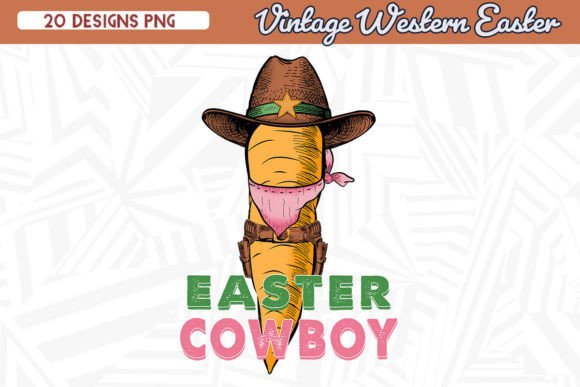
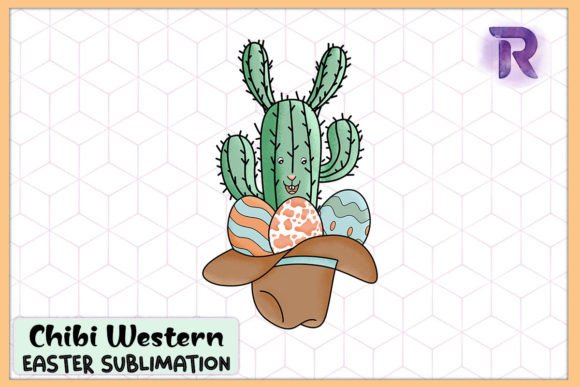
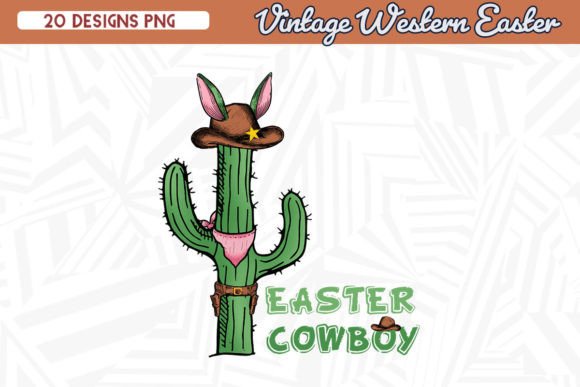
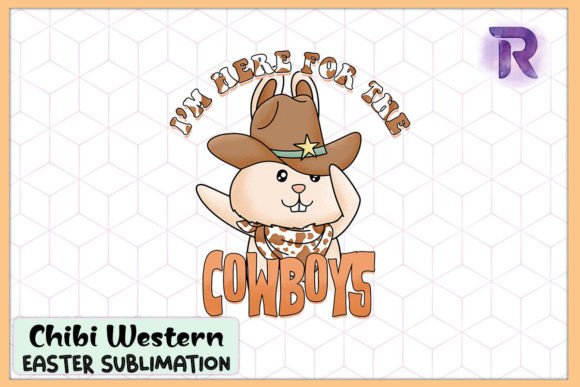
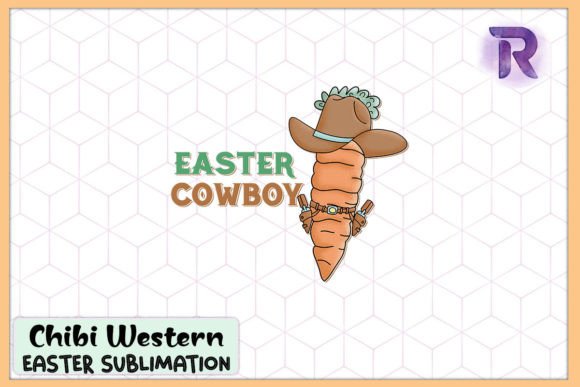
At first glance, Easter Cowboy Carrot Western Easter strikes a balance between rustic charm and playful whimsy. The concept merges two distinct themes—Western wear and Easter symbolism—into a cohesive visual narrative. For a designer, this is a tricky tightrope to walk. Too much detail can result in a muddy mess when stitched, while too little detail fails to capture the theme. This design appears to lean into bold shapes and clear iconography, which is exactly what you want for machine embroidery. It feels like a handmade product ready to be worn or gifted, rather than a generic decoration.
The mood is festive but grounded. It doesn’t scream for attention with neon colors; instead, it invites the viewer in with a cozy, country-inspired vibe. This makes it incredibly versatile for custom apparel and personalized gifts. Whether you are creating a baby shower gift or a spring collection for your shop, this design fits naturally into a curated brand aesthetic without feeling out of place.
Real-World Application: Where Does It Shine?
I recently simulated using Easter Cowboy Carrot Western Easter on several different items to see where its strengths lie. Here is how it performed in practical scenarios:
- Tote Bags and Canvas Totes: This is perhaps the strongest use case. The design has enough visual weight to stand out against heavy canvas but isn’t so dense that it warps the fabric. It works beautifully as a tote bag design for spring markets, appealing to customers looking for functional yet cute accessories.
- Sweatshirts and Hoodies: For sweatshirt embroidery, this design offers a great focal point. Placed over the heart or centered on the back, it adds a touch of personality without overwhelming the garment. The Western theme pairs well with neutral tones like cream, beige, or denim blue, making it a staple for spring wardrobes.
- Baby Items and Nursery Decor: Soft pastels combined with the carrot motif make this ideal for baby embroidery. Think onesies, burp cloths, or nursery wall hangings. The design is gentle enough for a baby’s room but distinctive enough to feel special. It taps into the emotional side of gifting, which is key for holiday embroidery projects.
- Applique Projects: Given its graphic nature, this could also serve as an applique design. If you are layering fabrics, the clean lines of the cowboy and carrot elements would stitch down neatly, allowing you to play with texture and contrast using different thread colors.
Technical Considerations and Stitch Clarity
When evaluating any machine embroidery design, clarity is king. Easter Cowboy Carrot Western Easter relies on strong silhouettes, which helps maintain integrity during stitching. However, there are areas where caution is required.
Hoop Size and Density: Always check the recommended hoop size before loading your fabric. If the design is large, ensure your machine can handle the dimensions without requiring re-hooping, which can misalign the pattern. Pay close attention to the stitch density; if certain areas are too dense, they may pucker thin fabrics. A quick test on scrap fabric is non-negotiable.
Fabric Texture and Stabilizer: The performance of this design will vary significantly based on your base material. On smooth cottons or poly-blends, the stitches will lay flat and crisp. On textured fabrics like burlap or heavy denim, you might need a heavier stabilizer to prevent the needle from skipping or the fabric from distorting. For stretchy knits, a cut-away stabilizer is essential to keep the embroidery project stable during wear and washing.
Thread Colors and Contrast: Since this is a digital file (specifically a PNG cutting file), you have the freedom to choose your own thread colors. I recommend testing high-contrast combinations. For example, a dark brown cowboy silhouette on a light cream background creates a striking visual. Conversely, low-contrast threads might get lost in the details, especially in smaller areas like facial features or carrot leaves. Inspect small details by converting your mockup to black and white to ensure legibility.
Where to Use It Carefully
Not every surface is created equal. While Easter Cowboy Carrot Western Easter is versatile, there are specific contexts where it might struggle:
- Small Hoop Sizes: If you attempt to shrink this design too much, fine details may become indistinguishable. Keep it within a readable size range to preserve its character.
- Curved Surfaces: Applying this to caps or hats requires careful positioning. The Western theme might not sit well on highly curved panels unless the design is adapted or positioned strategically.
- Dense Stitch Areas: Avoid placing this design next to other dense elements on the same garment, as it can create bulk and discomfort.
- Dark Fabrics: If embroidering on dark fabric, ensure you use a stabilizing underlay or a contrasting backing to prevent show-through, which can ruin the professional look of the finished product.
Business Value and Brand Consistency
For Etsy sellers and craft business owners, the appeal of Easter Cowboy Carrot Western Easter lies in its marketability. It targets a specific demographic that appreciates rural aesthetics, spring holidays, and unique handmade goods. Using this design in your digital product previews or printable mockups can help attract buyers looking for something beyond standard floral Easter patterns.
It enhances customer trust because it looks intentional and well-crafted. When customers see a cohesive theme across your small shop product line—such as matching aprons, towels, and bags—they perceive higher value. This design supports brand consistency by offering a recognizable style that can be repeated across multiple items.
Practical Designer Notes
Before you start producing, keep these steps in mind:
- Test on Scrap Fabric: Never assume a design will work perfectly on your final material. Run a test stitch-out to check tension and alignment.
- Check Licensing: Ensure you have the right to sell finished items made from this digital embroidery file. Commercial rights vary, and violating them can lead to serious issues.
- Inspect Small Details: Zoom in on the original file. Are the carrot leaves distinct? Is the cowboy hat shape clear? If details are too tiny, consider simplifying the design digitally before stitching.
- Compare Backgrounds: View the design on both light and dark backgrounds to ensure it works in all variations.
- Use Proper Stabilizer: Match your stabilizer to your fabric weight. Lightweight fabrics need lightweight stabilizers; heavy fabrics need robust support.
In conclusion, Easter Cowboy Carrot Western Easter is a solid addition to any designer’s library for the spring season. It balances thematic relevance with practical stitchability, making it suitable for a wide range of embroidery projects. By paying attention to fabric choice, stabilization, and color contrast, you can turn this design into a best-selling handmade product that resonates with customers looking for quality and charm.