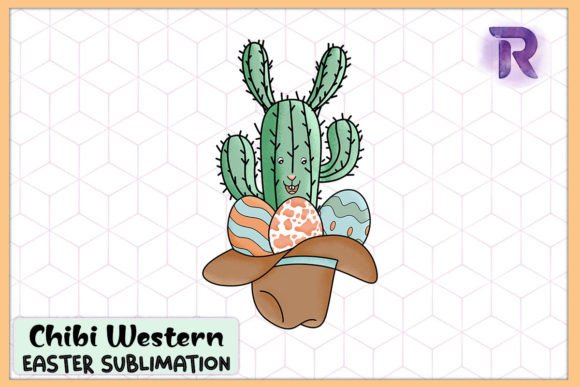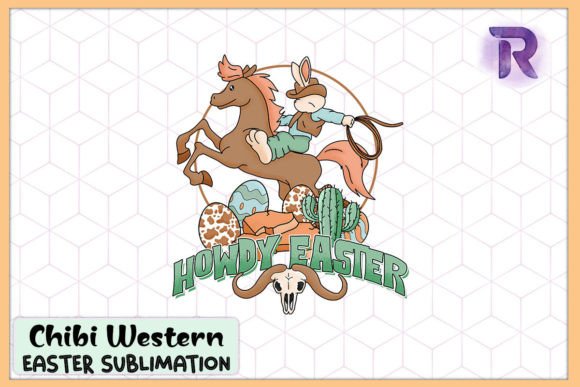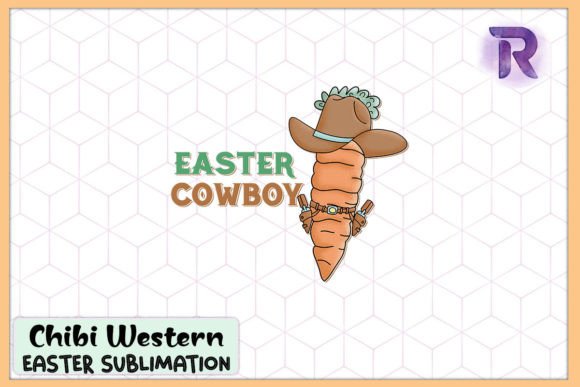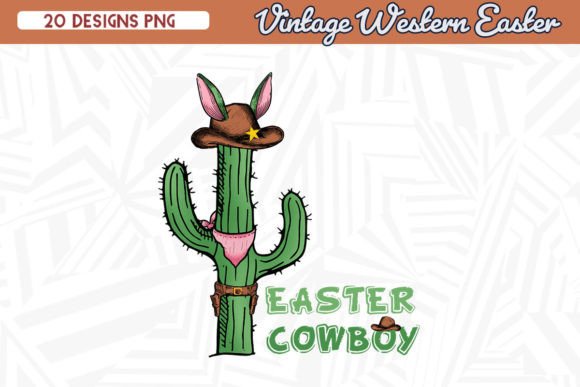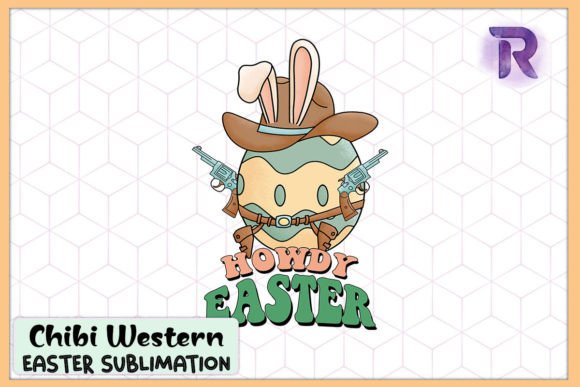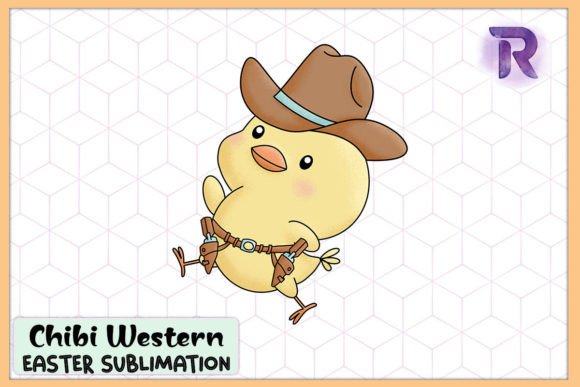
Retro Western Easter Chick Cowboy
When I am evaluating a new digital asset for my embroidery studio, I look past the cute factor and focus on execution. Does this design hold up under tension? Will it translate well from screen to fabric? Retro Western Easter Chick Cowboy is one of those files that catches the eye immediately with its playful mashup of holiday cheer and vintage Americana, but as a designer, I need to know if the underlying structure supports real-world application. After reviewing the file specifications and simulating how it would stitch out on various substrates, here is my practical breakdown of whether this design belongs in your next batch of handmade products.
First Impressions and Visual Personality
The moment you open the ZIP file containing the PNG preview, the mood is set. This isn’t just a generic bunny; it is a character-driven piece. The retro western theme suggests bold lines and a distinct silhouette, which is excellent news for digitizing. In machine embroidery, clarity is king. If a design relies on tiny, indistinct details, it often gets lost in the thread or requires excessive trimming. The visual personality of Retro Western Easter Chick Cowboy feels confident and nostalgic, evoking the feel of old saloon posters or vintage candy wrappers. This kind of strong visual identity is exactly what sells in today’s market, where customers are looking for items that tell a story rather than just filling space.
For an Etsy seller or small shop owner, this design offers a unique niche. It bridges two massive markets: Easter gifts and Western-themed decor. By combining them, you create a product that stands out in search results without competing directly with hundreds of standard pastel bunnies. The transparent background of the provided 300 DPI PNG allows me to easily place this graphic onto mockups of sweatshirts, tote bags, and nursery pillows to visualize the final placement before committing to thread.
Real-World Application in Embroidery Projects
Let’s talk about where this design shines. I envision Retro Western Easter Chick Cowboy performing exceptionally well on structured fabrics that can support the weight of the stitching. A canvas tote bag is a natural home for this motif. The sturdy fabric provides a stable base, allowing the details of the cowboy hat and chick features to pop without distortion. Similarly, a heavyweight cotton sweatshirt offers the perfect backdrop for a chest-sized placement. The contrast between the soft fleece texture and the crisp satin stitches will give the finished product a premium, boutique feel.
I also see great potential in personalized gifts. Imagine this design embroidered on a baby onesie or a burp cloth set. The "Western" theme is gender-neutral enough to appeal to a broad audience, while the Easter element keeps it seasonal and timely. For craft fair vendors, creating a display of aprons featuring this design could draw crowds. The humor inherent in a chick wearing cowboy gear invites conversation, which is a powerful tool for retail engagement. When a customer stops to ask about the design, you have already won half the sale.
Furthermore, this design translates well to accessories. An embroidered patch version could be applied to denim jackets or backpacks, extending the life of the garment beyond the holiday season. As a commercial embroidery project, it serves as a versatile asset. You are not limited to just apparel; consider pillow covers for a farmhouse-style living room or even kitchen towels for a hostess gift. The versatility of the graphics category means you can repurpose this single purchase across multiple product lines, maximizing your return on investment.
Technical Considerations and Stitch Density
While the concept is strong, every designer knows that the devil is in the details. Before running this through your machine, you must evaluate the stitch density. Designs with large fill areas can become stiff and bulky if the density is too high, especially on delicate fabrics like thin cotton or jersey knits. I recommend testing the design on scrap fabric first to assess how the threads lay. If the design includes intricate elements like feather textures on the hat or facial features on the chick, ensure that these smaller components are not too close together, which can cause needle breaks or thread tangles.
Thread color selection is another critical factor. The retro aesthetic likely calls for specific palettes—perhaps mustard yellows, dusty pinks, or earthy browns. Using high-quality polyester threads will enhance the sheen and durability of the finish. Avoid cheap rayon threads for this type of project, as they may pill or fade after washing, damaging the reputation of your handmade product. Additionally, always use the appropriate stabilizer. For woven fabrics like tote bags, tear-away stabilizer is usually sufficient, but for stretchy materials like sweatshirts or baby clothes, cut-away stabilizer is necessary to prevent puckering over time.
Where to Use With Caution
Not every surface is suitable for every design. While Retro Western Easter Chick Cowboy has a bold presence, it may struggle on highly textured fabrics such as bouclé or heavy chenille, where the stitch definition can get lost. Similarly, applying this to dark fabrics requires careful planning. If the design contains light-colored threads, you may need to add a backing layer or use a different color strategy to ensure visibility. Dark backgrounds can also make small details harder to discern, so inspecting the design in black and white mockups is a smart step to check contrast levels.
Curved surfaces like baseball caps present their own challenges. While possible, embroidery on caps requires precise hooping techniques and often a specialized cap frame. If the design has straight horizontal lines, they may distort when wrapped around the curve of a cap. For best results, consider placing this design on flat surfaces like patches that are later attached to caps, or stick to flatter items like aprons and shirts. Also, be mindful of hoop size limitations. If the design exceeds your machine’s maximum hoop dimensions, you will need to split it into sections, which can complicate the workflow and potentially misalign the final image.
Final Verdict for Crafters and Sellers
Retro Western Easter Chick Cowboy is more than just a cute clipart image; it is a viable component for a professional embroidery business. Its strong thematic blend and clear visual hierarchy make it an attractive choice for consumers looking for unique, festive items. However, success depends on your preparation. Always confirm the licensing terms before selling finished items or digital products. Ensure you understand whether you are purchasing a personal use license or a commercial rights package, as this dictates how you can monetize the finished goods.
For the hobbyist, this design offers a fun weekend project that results in a polished, giftable item. For the serious entrepreneur, it represents a low-risk, high-reward addition to your spring inventory. By paying attention to fabric choice, stabilizer usage, and thread quality, you can transform this digital file into a tangible product that delights customers. Test it thoroughly, trust your instincts, and let the unique charm of the retro western chick guide your creative process. Whether you are updating your Etsy listings or preparing for a local craft show, this design has the potential to stand out in a crowded marketplace.
In summary, Retro Western Easter Chick Cowboy delivers on both aesthetics and usability. It respects the constraints of machine embroidery while offering enough visual interest to capture attention. As long as you follow standard best practices for digitization and production, this design is a solid investment for anyone in the crafts and graphics space looking to expand their repertoire of seasonal designs.