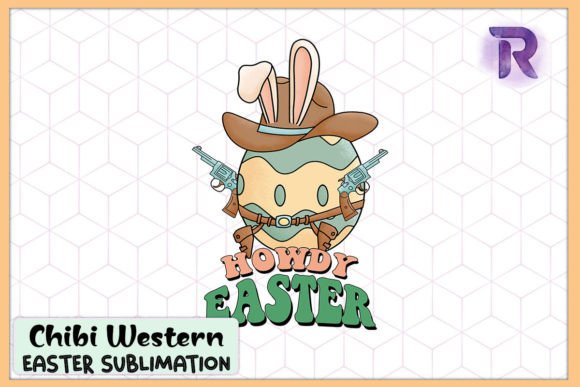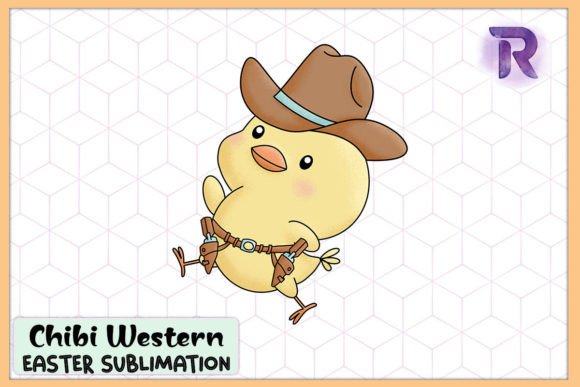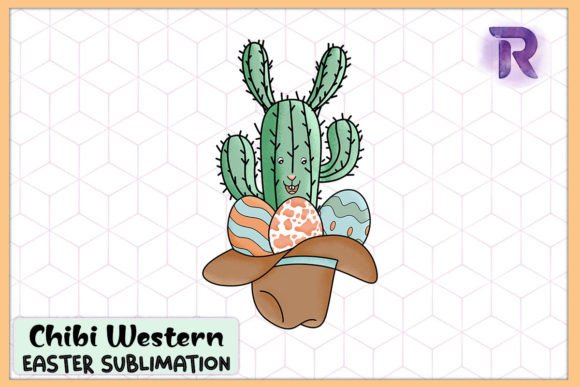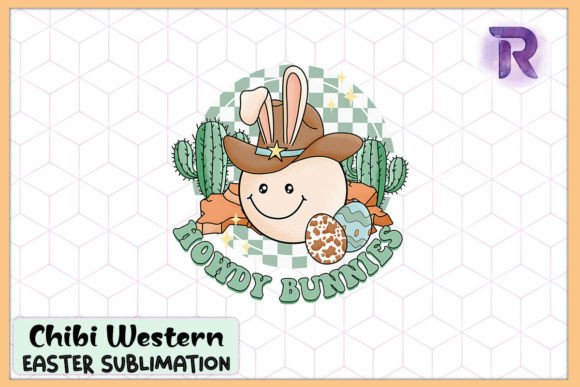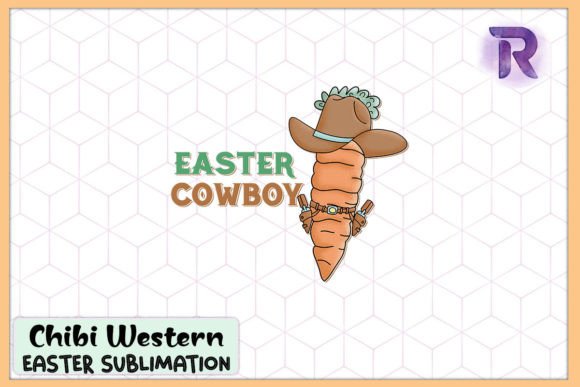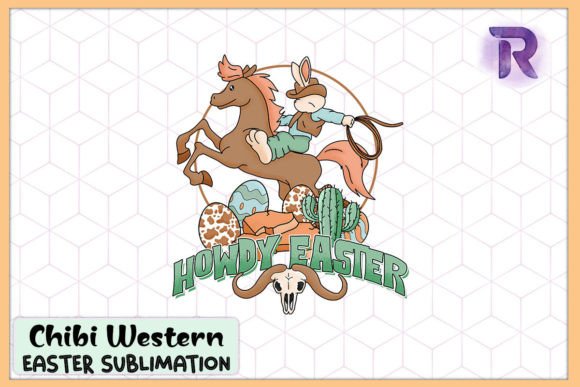
Howdy Easter Cowboy Western Easter
As an embroidery designer who spends more time looking at stitch density charts than actual sunsets, I approach every new design file with a mix of hope and skepticism. The digital marketplace is flooded with "cute" graphics that fall apart under the needle or look muddy when stitched out on textured fabrics. That is why I take a hard look at how a design like Howdy Easter Cowboy Western Easter translates from a screen to a finished product. This isn't just about whether it looks good in a preview; it is about whether it holds up in the real world of craft fairs, Etsy shops, and custom client orders.
The first thing you notice about this asset is its thematic clarity. It sits squarely at the intersection of two very popular niches: the rustic Western aesthetic and the spring holiday season. For designers building a seasonal collection, this kind of crossover appeal is gold. It immediately suggests specific use cases—think pastel denim jackets, burlap tote bags for church events, or nursery decor for a baby shower. The mood is playful but grounded, avoiding the overly saccharine feel that can sometimes plague Easter-themed graphics. Instead, it offers a rugged charm that appeals to customers looking for something unique rather than generic.
Visual Personality and Design Layout
When evaluating a graphic intended for embroidery, I always ask myself: does this have enough visual weight? A design that is too thin will get lost in the fabric weave, while one that is too dense will become stiff and unwearable. Howdy Easter Cowboy Western Easter appears to strike a balance that works well for apparel decoration. The layout likely features bold elements that can be interpreted as fill stitches or applique shapes, which are generally safer bets for commercial success because they cover more area and hide minor stitching imperfections better than fine detail work.
The visual personality here is distinctly "craft business friendly." It feels designed to be part of a larger brand story. If you are selling handmade products, this design provides a strong focal point. It doesn’t fight for attention; it invites it. This is crucial for small shop owners who need their products to stand out in a crowded feed of images. The theme allows for creative styling—you can pair it with earthy tones for a boho look or bright pastels for a traditional spring vibe. This versatility increases the perceived value of your final product, allowing you to market the same design across different customer segments.
Real-World Application Scenarios
I recently considered using a design with this specific Western-Easter hybrid theme for a custom order. The client wanted personalized gifts for a family reunion that blended their love for ranch life with spring traditions. Here is how Howdy Easter Cowboy Western Easter would perform in various practical scenarios:
- Custom Apparel: On a light-wash denim sweatshirt or a cream-colored t-shirt, this design would pop. The contrast between the rugged cowboy motif and the soft Easter colors creates a visual tension that is highly appealing. It works particularly well on cotton blends that hold their shape, ensuring the embroidery doesn’t pucker over time.
- Tote Bags and Market Accessories: Canvas tote bags are a staple for the craft business. A design like this adds a touch of personality to a utilitarian item. It transforms a simple shopping bag into a statement piece, perfect for an Etsy seller targeting moms or teachers. The durability of the embroidery ensures it survives frequent washing, which is a key selling point for customers.
- Baby Items and Nursery Decor: There is a growing market for gender-neutral or themed baby gear. This design could easily be adapted for a onesie or a burp cloth. However, care must be taken with placement. On baby clothes, smaller scale versions or simplified layouts often work best to keep the garment comfortable against sensitive skin.
- Applique Projects: If treated as an applique design, this asset shines. Layering felt or fleece over a base fabric allows for vibrant color blocking without worrying about thread breakage. This technique is excellent for creating embroidered patches or sturdy aprons for kitchen use.
Where Caution Is Required
No design is perfect for every surface. As a professional reviewer, I must highlight where Howdy Easter Cowboy Western Easter might present challenges. Embroidery is a physical process, not just a digital image, and material science matters.
Avoid placing intricate details of this design on highly textured fabrics like heavy wool or loose-weave linen unless you are using a high-quality stabilizer and have tested the result first. The fabric texture can interfere with the precision of the satin stitches, leading to a fuzzy appearance. Similarly, stretchy knits require careful hooping and possibly a cut-away stabilizer to prevent distortion. If you attempt to stitch this on dark fabric, ensure your thread selection has sufficient contrast; otherwise, the design may look flat and indistinct.
Another critical consideration is hoop size. If the design exceeds standard hoop dimensions, you may encounter registration issues or the need for re-hooping, which can misalign the artwork. Always check the dimensions before committing to a production run. Additionally, avoid using this design for tiny accents on items that will undergo frequent industrial washing, as the threads may wear down if the stitch density is not robust enough.
Practical Designer Notes for Production
Before adding Howdy Easter Cowboy Western Easter to your catalog or personal stash, follow these steps to ensure a professional finish:
- Test on Scrap Fabric: Never go straight to the final product. Stitch the design on a scrap of the exact fabric you plan to use. This reveals how the thread interacts with the material’s texture and drape.
- Check Thread Color Contrast: View your mockup in black and white. If the design loses its definition in grayscale, it may struggle in color too. Ensure there is enough contrast between the background fabric and the primary thread colors.
- Review Stitch Density: High-density designs can create stiff, uncomfortable garments. If the design uses heavy fill stitches, consider reducing the density slightly for better wearability, especially on children’s clothing.
- Confirm Licensing: Since this is a digital asset, verify the license terms carefully. Are you allowed to sell finished products made with this design? Can you modify it for commercial use? Clear licensing protects your business from legal issues.
- Inspect Small Details: Zoom in on the digital file. Are there any tiny lines or curves that might disappear during stitching? Simplifying these elements can improve the overall clarity of the finished product.
Final Verdict on Visual Appeal and Value
In the end, the success of an embroidery project comes down to trust. Customers buy handmade goods because they trust the quality and the story behind them. A well-executed design like Howdy Easter Cowboy Western Easter reinforces that trust. It shows attention to detail and an understanding of current trends.
This graphic is more than just a pretty picture; it is a tool for building a brand. Whether you are an Etsy seller looking to boost your spring listings or a hobbyist making a personalized gift, this design offers a solid foundation. It balances creativity with commercial viability, making it a valuable addition to your library of design assets. Just remember to respect the limitations of the medium, test thoroughly, and let the craftsmanship speak for itself. When done right, the result is a finished product that customers will cherish long after the holiday season has passed.