Howdy Bunny Western Easter Vintage Review
As a designer who spends more time staring at stitch patterns than actual sleep, I have developed a certain skepticism toward seasonal graphics. Too often, "cute" comes at the expense of technical viability, and "vintage" is just a filter slapped over a low-resolution image. However, when evaluating Howdy Bunny Western Easter Vintage, my initial reaction was one of cautious optimism. This isn't just another clipart bunny; it carries a distinct narrative weight that feels earned rather than manufactured.
The first thing you notice is the mood. It doesn’t scream for attention with neon colors or aggressive boldness. Instead, it whispers with a rustic charm that fits perfectly into the current trend of "cottagecore" and western-inspired aesthetics. The layout suggests a balance between playful character design and structured typography, making it highly versatile for both personal keepsakes and commercial merchandise. But does it hold up under the needle? That is the real question.
First Impressions and Visual Personality
When I first loaded the files for Howdy Bunny Western Easter Vintage, the visual personality jumped out immediately. The design leverages a classic western motif—the kind of imagery that evokes dusty trails, saloon doors, and friendly greetings—but softens it with the inherent innocence of an Easter theme. This juxtaposition creates a unique selling point that stands out in a crowded market.
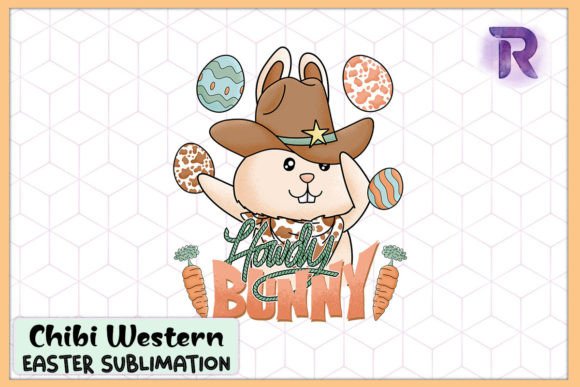
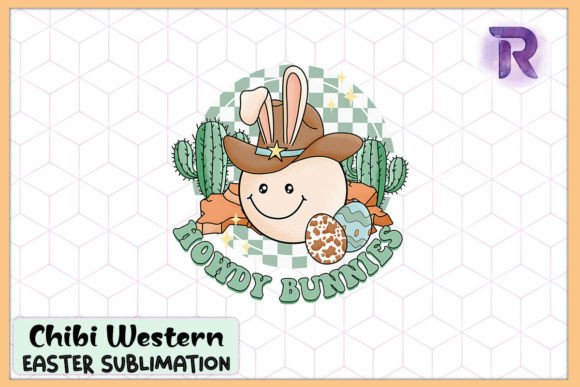
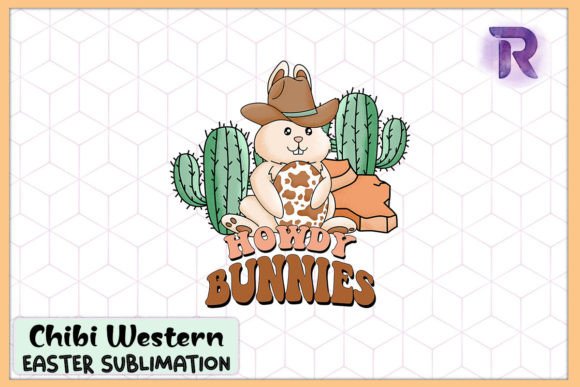
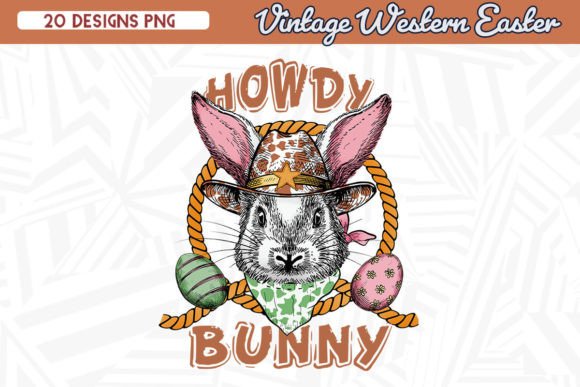
From a design perspective, the shape language is clean. There are no unnecessary jagged edges or overly complex silhouettes that might confuse a digitizer’s intent. The central figure of the bunny is approachable, likely featuring elements like a bandana, a cowboy hat, or perhaps holding a basket in a stylized way. The surrounding text, presumably reading "Howdy" or similar western phrases, complements the graphic without overpowering it. It feels balanced, which is crucial for embroidery because imbalance leads to awkward placement on garments.
This design naturally belongs to projects that value storytelling. It isn't just a decoration; it’s a statement piece that says, "I appreciate tradition but with a modern twist." For an Etsy seller or a small shop product owner, this distinction is vital. Customers don't just buy a tote bag; they buy the vibe associated with it. Howdy Bunny Western Easter Vintage delivers that vibe effectively.
Real-World Application: From Screen to Stitch
Let’s talk about practical application. I recently considered using this design for a custom embroidered tote bag intended as a boutique gift item. Here is how I envision Howdy Bunny Western Easter Vintage performing in that scenario.
For a tote bag design, the durability and clarity of the design are paramount. Because the aesthetic is vintage, it pairs beautifully with natural fabrics like canvas, burlap, or heavy cotton duck. When stitched onto these textured surfaces, the slight irregularity of the fabric actually enhances the rustic feel of the design. The contrast between the smooth thread and the rough weave adds depth that digital mockups simply cannot replicate.
I also see immense potential in sweatshirt embroidery. A cropped hoodie or a boxy crewneck in heather grey or oatmeal would serve as the perfect neutral backdrop. The western theme allows this to work year-round if marketed correctly—perhaps shifting from "Easter" to "Spring Festival" or keeping it purely thematic for holiday sales. The design’s proportions seem large enough to make a statement on a chest area without looking cramped, yet detailed enough to warrant close inspection.
Beyond apparel, this design shines in home decor. Imagine it on a kitchen towel or a pillow cover. The "Howdy" greeting is inherently welcoming, making it ideal for entryway mats or dining room accents. For a handmade product line, this versatility increases your inventory turnover. One strong design asset can be adapted across multiple categories, reducing the need for constant new creation while maintaining brand consistency.
Where Caution Is Required
However, not every surface is created equal. As an experienced reviewer, I must highlight where Howdy Bunny Western Easter Vintage requires careful handling. If you are planning to use this on custom apparel made from stretchy knits or thin jersey fabrics, you need to be meticulous with your stabilizer choice. A lightweight cut-away stabilizer is non-negotiable here to prevent puckering, especially if the design includes dense fill stitches.
Textured fabrics present another challenge. While linen looks great with western themes, its uneven surface can obscure fine details. If the bunny features small accessories—like tiny boots or intricate hatband stitching—these may get lost in the weave. In such cases, testing on scrap fabric is essential. You might find that simplifying the design or adjusting the thread tension yields better results.
Furthermore, consider the hoop size limitations. If you intend to place this on a curved surface like a baseball cap, ensure the design’s width fits within standard 5x7 inch hoops without excessive trimming. Curved surfaces also distort straight lines, so the typography must be robust enough to remain legible after the curvature is applied. Dark fabrics require a different strategy; if the design relies on light-colored threads for highlights, you may need to add a backing layer or choose a darker base fabric to maintain contrast.
Technical Considerations for Embroidery Designers
Before committing to a production run, there are several technical checks any professional should perform. First, inspect the stitch density. A design that is too dense will become stiff and uncomfortable, particularly on baby clothes or delicate items. Conversely, a design that is too sparse may look unfinished. Look for a balance where the fill stitch areas provide coverage without becoming bulky.
Pay close attention to the satin stitch quality around the edges of the bunny and any text. Clean satin stitches indicate a well-digitized file, whereas loose loops or overlapping stitches suggest poor programming. If the design includes running stitch details for texture, verify that they are spaced appropriately to avoid tangling during high-speed machine operation.
Thread color selection is critical. The "vintage" aspect often implies muted or earthy tones, but ensure that the chosen thread palette offers sufficient contrast against your target fabric. A common mistake is choosing colors that blend too closely with the background, resulting in a muddy appearance. Test your thread colors on the actual fabric you plan to use, not just on white cotton.
Additionally, review the design in black and white. This helps identify any areas where detail might be lost due to lack of tonal variation. If the design loses its impact when stripped of color, it may rely too heavily on hue rather than form, which can limit its adaptability.
Final Verdict: A Strong Asset for Craft Businesses
In conclusion, Howdy Bunny Western Easter Vintage is a thoughtful, well-executed design that bridges the gap between seasonal whimsy and timeless western style. It offers a high level of visual appeal that translates well into physical products, enhancing perceived value and customer trust.
For craft business owners, this design represents a low-risk, high-reward addition to your catalog. It works seamlessly as a personalized gift, a holiday embroidery staple, or a core item in your commercial embroidery offerings. Its adaptability across various media—from printable mockups to finished garments—makes it a valuable design asset.
Just remember to respect the technical constraints. Test thoroughly, choose your fabrics wisely, and always prioritize stitch quality over speed. When done right, Howdy Bunny Western Easter Vintage won’t just be another item on your shelf; it will be a bestseller that customers recognize and return for. Whether you are creating an embroidered patch, a baby embroidery set, or a full line of digital embroidery file collections, this design provides a solid foundation for creative success.
Ultimately, the best designs are those that inspire confidence in the maker and delight the end user. This one does both. It invites you to experiment, to play with textures, and to bring a touch of western warmth to your spring collection. Go ahead and load it up—it’s ready for the hoop.