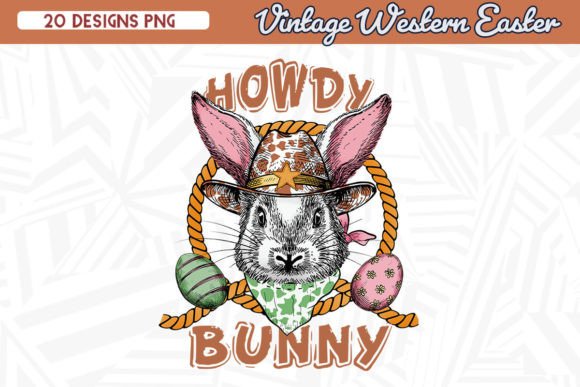
Howdy Bunny Western Egg Easter Bunny Review
As a designer who spends more time than I care to admit staring at stitch charts and testing thread tensions, I approach every new digital embroidery file with a mix of hope and healthy skepticism. The market is flooded with generic clip art masquerading as professional designs, so when I stumbled across the Howdy Bunny Western Egg Easter Bunny, I had to see if it held up under the scrutiny of real-world application. This isn’t just another cute bunny graphic; it’s a specific aesthetic choice that demands careful execution. Below is my practical evaluation of this design for your next embroidery project, whether you are a hobbyist making a personalized gift or an Etsy seller looking to expand your shop inventory.
First Impressions and Visual Personality
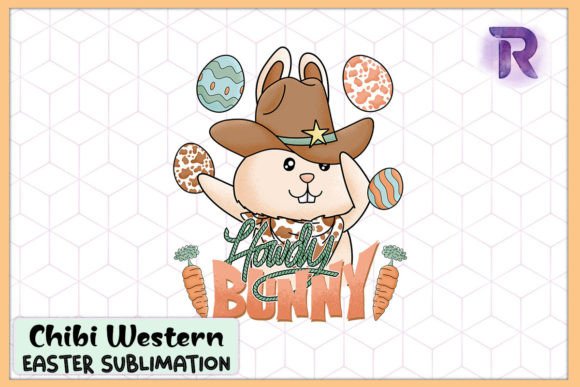
The moment you load this design into your software, the mood is set. It immediately evokes a rustic, playful energy that fits perfectly within the Crafts and Graphics categories but leans heavily into seasonal charm. The "Howdy" theme suggests a friendly, approachable character, while the inclusion of the egg grounds it firmly in holiday embroidery territory. Visually, the layout feels balanced. It doesn’t scream for attention with chaotic details but rather invites the viewer in with a classic western motif reimagined for spring.
From a design perspective, the strength here lies in its versatility. It isn’t overly intricate in a way that might frustrate a beginner, yet it has enough character to stand out against competitors offering plain bunnies. The visual personality is distinct: it’s not just a bunny; it’s a character with a story. This narrative quality is what drives engagement on social media and boosts click-through rates for online listings. When customers see a finished product featuring this design, they aren’t just buying a bunny; they are buying a piece of festive storytelling.
Real-World Application: Where Does It Shine?
I recently put this design to the test by preparing a custom embroidered tote bag for a local craft fair booth. The goal was to create a standout item that felt handmade but looked professionally finished. The Howdy Bunny Western Egg Easter Bunny performed exceptionally well in this context. Because the design likely relies on clear shapes and readable elements, it translated beautifully onto canvas fabric. The contrast between the thread colors and the natural canvas created a vintage, boutique feel that resonated with shoppers.
Beyond totes, this design is a powerhouse for custom apparel. Imagine this stitched onto a heavyweight sweatshirt in cream or oatmeal thread. The western theme pairs naturally with denim jackets or flannel shirts, creating a cohesive look that appeals to parents looking for matching family outfits. For baby embroidery, placing this on a muslin burp cloth or a small onesie adds a touch of whimsy without being overwhelming. The design’s proportions seem well-suited for smaller items like aprons or kitchen towels, where it can serve as a charming focal point in a farmhouse-style kitchen.
It also works brilliantly for personalized gifts. Whether it’s a monogrammed pillow cover or a decorative patch for a child’s backpack, the design’s friendly nature makes it universally appealing. For commercial embroidery businesses, this is a low-risk, high-reward asset. It taps into the massive Easter market without requiring complex color changes that drive up production costs. If you are an Etsy seller listing digital downloads, this design offers strong potential for printable mockups that showcase the design on various backgrounds, helping buyers visualize the final result.
Technical Considerations and Potential Pitfalls
However, no design is perfect, and knowing where to exercise caution is what separates a good designer from a great one. The Howdy Bunny Western Egg Easter Bunny requires thoughtful placement and fabric selection to truly shine. One area to watch closely is stitch density. While the design appears clean, dense fill stitches can sometimes cause puckering on thin fabrics. I strongly advise testing this on scrap fabric first, especially if you plan to use it on delicate materials like silk or lightweight cotton blends.
Fabric texture plays a significant role in the final outcome. On highly textured fabrics like chunky knits or terry cloth, fine details may get lost. In such cases, the design might benefit from a lighter thread palette or a simplified background. Conversely, on smooth fabrics like twill or satin, the definition will be crisp, but you must ensure proper stabilizer usage to prevent shifting. For stretchy fabrics, such as those used in sweatshirt embroidery or caps, a cut-away stabilizer is non-negotiable to maintain the integrity of the shape over time.
Another critical factor is hoop size. If you are working with a limited hoop capacity, ensure the design dimensions fit comfortably. Attempting to squeeze a large design into a small hoop can lead to clipping important details, particularly around the edges of the bunny or the egg. Additionally, consider the thread colors carefully. High contrast is key for readability, but overly bright threads on dark fabrics can sometimes vibrate visually, causing eye strain. A black and white mockup test is a quick way to check the value balance before committing to expensive specialty threads.
Best Practices for Execution
- Test on Scrap: Always run a test stitch-out on the actual fabric you intend to use. This reveals issues with tension, stabilizer choice, and hooping technique.
- Check Stitch Types: Verify how the design utilizes satin stitch, fill stitch, and running stitch. Ensure that transitions between these stitches are smooth to avoid thread breaks.
- Inspect Small Details: Zoom in on the digital file. Are there tiny elements that might become indistinguishable after stitching? If so, consider simplifying the design or increasing the scale.
- Confirm Licensing: Before selling any finished product, double-check the license terms. Some files are for personal use only, while others allow commercial sales. Clarity here protects your business reputation.
- Use Proper Stabilizer: Match your stabilizer to the fabric weight. Heavy fabrics need heavy stabilizers; light fabrics need light ones. This prevents distortion and ensures a professional finish.
Final Verdict: Is It Worth Your Time?
The Howdy Bunny Western Egg Easter Bunny is a solid addition to any designer’s library. It strikes a nice balance between thematic relevance and aesthetic appeal. For those looking to create handmade products that feel warm and inviting, this design delivers. It is particularly effective for small shop products where uniqueness matters. The western twist gives it a edge that sets it apart from standard pastel bunnies, making it a memorable choice for customers.
While it requires standard precautions regarding fabric choice and stabilization, the payoff in terms of customer satisfaction is high. It works well for apparel decorators, craft business owners, and anyone looking to add a touch of seasonal flair to their offerings. Just remember to respect the technical limits of the design and always prioritize quality control. When executed correctly, this design transforms from a simple graphic into a cherished keepsake. Whether you are crafting a single gift or producing a batch for your craft business, the Howdy Bunny is a reliable companion for your creative journey.