I Am the Storm Western Sublimation: A Designer’s Review
As a designer who spends half her life staring at stitch charts and the other half troubleshooting machine errors, I approach every new digital embroidery file with a mix of excitement and skepticism. The market is flooded with designs that look stunning in a digital preview but fall apart under the needle. That is why I treat every download as a potential client project before it ever touches my hoop. Today, I am evaluating the I Am the Storm Western Sublimation design to see if it holds up in real-world application for craft business owners, Etsy sellers, and serious hobbyists.
This review is not about hype; it is about practical judgment. We are looking at how this machine embroidery design translates from a PNG file to a finished product on fabric, what kind of customer would buy it, and where the pitfalls might lie for those of us trying to build a brand around handmade quality.
First Impressions: Mood and Visual Personality
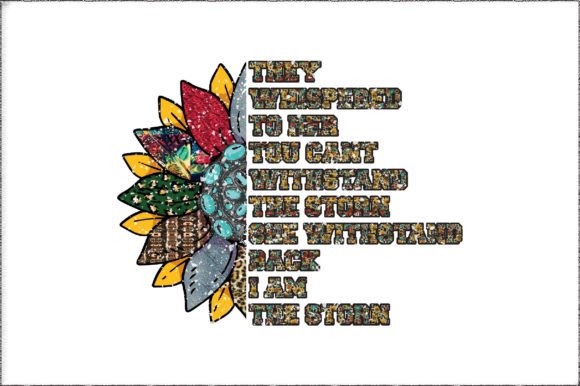
The moment you load the I Am the Storm Western Sublimation into your digitizing software, the attitude of the piece is clear. It does not whisper; it declares. The theme leans heavily into a rugged, resilient aesthetic that pairs well with the "western" motif mentioned in the title. Visually, it creates a mood of strength and independence. For a designer, this is valuable because it gives you a clear narrative to sell alongside the product.
When I look at the layout and detail level, I see a design that is meant to be the focal point. It is not a subtle background texture or a tiny accent. It commands space. This immediately tells me where it belongs: on substantial garments or accessories that can handle its visual weight. The artistic personality here is bold, which means it will resonate strongly with customers who want their apparel to make a statement. However, boldness requires precision. If the stitching is too dense or the lines too thin, that boldness can turn into a muddy mess. My initial assessment is that this design has high commercial potential, provided the execution matches the ambition of the artwork.
Real-World Application: Where Does It Shine?
To truly test a embroidery project, you have to imagine it in the hands of a buyer. Let’s walk through a few scenarios where I Am the Storm Western Sublimation would excel.
- Custom Apparel and Sweatshirts: This design feels natural on a heavyweight cotton sweatshirt or a denim jacket. The western theme pairs effortlessly with rugged fabrics. Imagine a boutique selling these as part of a "tough girl" collection. The contrast between the soft fleece and the structured embroidery adds tactile value that customers love.
- Tote Bags and Market Accessories: A canvas tote bag is a staple for any Etsy seller. Placing this design on the front panel of a sturdy canvas bag offers a perfect balance of utility and style. It transforms a simple shopping tool into a fashion accessory. The durability of the canvas also supports the "storm" theme, suggesting resilience.
- Personalized Gifts and Holiday Items: Think about holiday gifting. This design works exceptionally well for personalized gifts for teenagers or young adults who appreciate edgy aesthetics. Whether it is a Christmas stocking stuffers or a birthday present, the message resonates emotionally. It fits the niche of personalized gift markets where buyers are looking for something unique rather than generic store-bought items.
- Embroidered Patches and Badges: If the design allows for clean edges, it could be adapted into an embroidered patch for backpacks or hats. This expands its utility beyond just direct-to-garment decoration, allowing for creative applications in design assets for custom gear.
In these contexts, the design enhances the perceived value of the handmade product. It signals that the maker put thought into the selection of art that aligns with the customer's identity. This builds trust and encourages repeat purchases.
Where to Exercise Caution: Technical Challenges
Not every surface is created equal, and I Am the Storm Western Sublimation may struggle in certain environments. As a professional, I always advise testing before committing to a full production run. Here are the areas where you need to be careful:
- Small Hoop Sizes: If the design includes intricate details or small lettering, shrinking it down to fit a 4x4 inch hoop might compromise clarity. Fine lines can merge together, creating a blob instead of a crisp image. Always inspect the small details when scaling down.
- Textured and Stretchy Fabrics: While denim is great, jersey knits or highly textured wools can distort the shape of the design. Stretchy fabrics require a strong stabilizer and possibly a cut-away backing to prevent puckering. If the stitch density is high, it might pull thin fabric out of shape.
- Curved Surfaces: Attempting to embroider this on a baseball cap or a curved hat brim requires advanced technique. The flat nature of the design might not follow the curve naturally, leading to tension issues. For beginners, flat surfaces like aprons or pillow covers are safer bets.
- Dense Stitch Areas: Check the fill stitches. If large areas are filled with dense satin or heavy fill stitches, the fabric underneath may become stiff and uncomfortable. This is particularly important for baby clothes or items that will be washed frequently, as stiffness can wear out faster.
By identifying these risks early, you protect your reputation. A poorly executed finished product reflects badly on the maker, regardless of how beautiful the original art was.
Practical Designer Notes for Execution
Before you start stitching, there are several technical steps I recommend taking to ensure success with this graphics asset.
First, test the design on scrap fabric that mimics the final material. This helps you gauge how the thread colors interact with the fabric hue. A color that looks vibrant on screen might disappear on dark fabric or look muddy on light fabric. Running a black-and-white mockup check can help you assess contrast levels without the distraction of color.
Second, pay close attention to the stabilizer. For a design with this much visual impact, proper support is non-negotiable. Use a tear-away or cut-away stabilizer depending on the fabric type. If the design involves satin stitch borders, ensure your machine tension is calibrated to prevent thread breaks or loops.
Third, consider the end use. If you are planning to sell this as a commercial embroidery item, confirm the licensing terms of the digital download. Even though it is a digital embroidery file, some creators restrict commercial use. Clear communication with your supplier prevents legal headaches later.
Finally, think about presentation. When photographing your custom apparel or tote bag design, highlight the texture of the embroidery. Close-up shots show the quality of the fill stitch and the neatness of the running stitch accents. This transparency reassures buyers that they are investing in a high-quality small shop product.
Final Verdict
The I Am the Storm Western Sublimation is a strong candidate for designers looking to add edge and emotion to their collections. It is versatile enough for sweatshirt embroidery, apron decoration, and holiday embroidery projects, provided you respect the technical limitations of the fabric and hoop size. It is not a one-size-fits-all solution, but for the right audience—those who appreciate bold, western-inspired statements—it can be a standout piece in your craft business portfolio.
Remember, the best embroidery designs are not just about the art; they are about the execution. Take your time, test thoroughly, and let the quality of your work speak for itself. If you do, this design has the potential to become a bestseller in your Etsy listings or a favorite among your local craft fair customers.