Western Cowboy Hiphop Bunny: A Designer’s Real-World Review
When I sit down to evaluate a new digital asset for my embroidery studio, I am rarely looking for just another cute image. I am looking for viability. Can this design survive the hoop? Will it translate well from screen to fabric? Does it have the visual weight to justify a price point in a crowded marketplace? Recently, I pulled Western Cowboy Hiphop Bunny into my workflow to test its potential for both personal customization and commercial craft business use. As a designer who deals with everything from delicate baby bodysuits to heavy-duty workwear patches, I need designs that offer flexibility, character, and clear stitching paths.
This review is not about marketing fluff. It is about practical application. We are looking at how this machine embroidery design behaves when you move beyond the PNG preview and onto the needle plate. Whether you are an Etsy seller, a boutique owner, or a hobbyist maker, understanding the nuances of this file is crucial before you commit to production runs.
First Impressions and Visual Personality
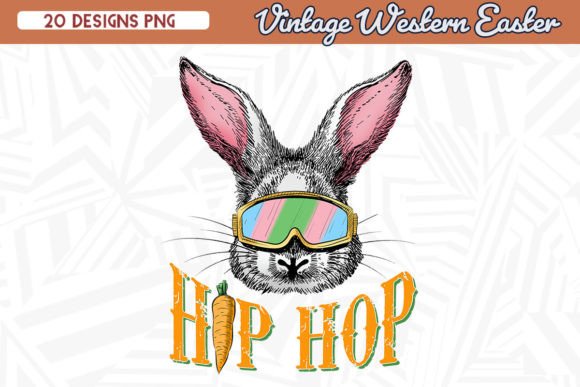
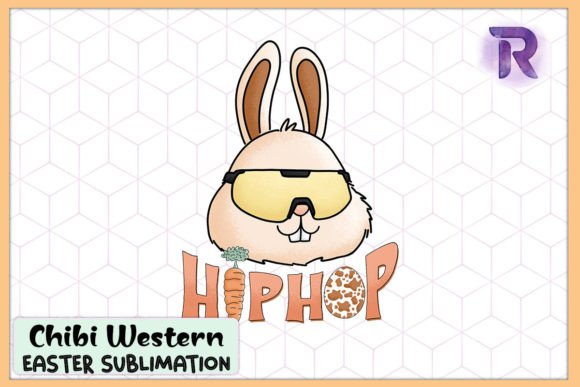
The moment you load the file, the juxtaposition is immediate. The concept blends rugged western iconography with urban streetwear aesthetics, centered around a bunny motif. For a craft business, this kind of thematic hybrid is gold. It allows you to target multiple niches simultaneously. You can market it to fans of cowboy culture, hip-hop fashion enthusiasts, and those who appreciate whimsical animal characters.
Visually, the design feels balanced. In terms of stitch density, it appears robust enough to hold its shape without requiring excessive underlay that might pucker lightweight fabrics. The layout suggests a strong central focal point, which is ideal for chest placements on sweatshirt embroidery or centered prints on tote bag design projects. The personality is playful yet edgy, giving your handmade product a distinct voice that stands out against generic floral or standard text-based designs.
However, as a reviewer, I must note that because this is primarily delivered as a high-resolution PNG cutting file rather than a native digitized embroidery file format (like .DST or .PES), the transition to actual stitching requires careful preparation. You will likely be using this as a template for applique or tracing, or perhaps converting it through software that interprets the vector-like clarity of the 300 DPI transparent background. This distinction matters for the final texture of your finished product.
Real-Life Application: From Screen to Stitch
Let’s talk about where this design shines. I recently envisioned this embroidery project being used on a unisex oversized hoodie for a holiday gift collection. The contrast between the soft fleece of the sweatshirt and the structured lines of the bunny graphic would create a premium feel. The western theme adds a layer of storytelling; it isn’t just a bunny, it’s a character. This narrative element increases perceived value, which is essential for small shop products competing on platforms like Etsy.
Another strong use case is custom apparel for children. A baby embroidery application on a denim jacket or a canvas tote bag works exceptionally well here. The bold outlines ensure that even if the stitching is slightly imperfect—a common occurrence in high-volume production—the design remains legible. For an Etsy seller, offering personalized gifts with such a unique character allows for higher price points compared to simple monograms.
I also see potential in home decor. Imagine this design on a linen pillow cover or a kitchen towel for a rustic-modern farmhouse aesthetic. The blend of western and hiphop elements fits perfectly into the "modern eclectic" trend that many interior decorators and homeowners are seeking. When creating a printable mockup for your listing, showing this design on textured fabrics like burlap or heavy cotton helps buyers visualize the tactile quality of the embroidered patch or print.
Where Caution Is Required
No design is perfect for every surface, and Western Cowboy Hiphop Bunny has specific constraints that every designer should respect. First, consider the hoop size. If you attempt to stitch this on a curved surface like a baseball cap, the complexity of the western hat brim and the hiphop accessories might become distorted if the hooping tension is not perfectly calibrated. Always test on scrap fabric first to ensure the curve accommodates the detail.
Fabric choice is equally critical. Because the design features distinct shapes, it performs best on stable, medium-weight fabrics. Avoid using this on thin, stretchy knits without a heavy-duty stabilizer, as the pull of the threads could warp the garment. Similarly, on dark fabrics, thread color selection becomes paramount. You cannot rely on the white space of the PNG preview; you must mentally simulate the thread colors against black or navy backgrounds. High contrast is key to maintaining the integrity of the satin stitch details.
Furthermore, if you plan to incorporate tiny lettering or intricate decorative accents within the design, inspect the original file closely. Small details often get lost during the digitizing process or when converted from a raster image. If the design relies on fine lines, it may require a smaller needle size and slower machine speed to prevent breakage. For dense stitch areas, ensure your machine’s feed dogs are clean and your stabilizer is appropriate for the fabric type to avoid puckering.
Practical Designer Notes for Success
To get the most out of this digital embroidery file or cutting template, follow these professional protocols:
- Test Before You Sell: Never assume a design will work perfectly on the first try. Stitch a sample on the exact fabric you intend to sell. Check for thread breaks, fabric distortion, and overall clarity.
- Check Licensing: Before listing any commercial embroidery items on your shop, verify the license terms associated with the download. Some assets allow personal use only, while others permit limited commercial sales. Protect your craft business by staying compliant.
- Mockup Versatility: Create multiple design assets variations. Show the bunny in different thread colors—gold and black for a luxury feel, or pastels for baby items. This helps customers see the versatility of the applique design or fill stitch options.
- Stabilizer Strategy: Use tear-away stabilizer for woven fabrics and cut-away for knits. The right support system ensures that the running stitch and fill stitch components lie flat and look professional.
- Black and White Test: Convert your design to grayscale to check contrast levels. If the details disappear in black and white, they will likely struggle in low-light conditions or on monochromatic garments.
Final Verdict on Value and Appeal
Western Cowboy Hiphop Bunny is more than just a cute graphic; it is a versatile tool for creative entrepreneurs. Its unique fusion of styles gives it a broad appeal, making it suitable for a wide range of personalized gifts and custom apparel. While it requires thoughtful execution regarding fabric choice and stabilization, the payoff in terms of customer engagement and brand differentiation is significant.
For the graphics and crafts community, this asset offers a solid foundation for building a cohesive product line. Whether you are decorating aprons for a cooking class, creating branded merchandise for a music festival, or simply adding flair to your own wardrobe, this design delivers visual impact. By approaching it with the caution and precision outlined above, you can transform a simple digital file into a high-quality, market-ready embroidery project that resonates with buyers and showcases your skill as a designer.