My Head Wears Cowboy Boots I Call Him Review
As a designer who spends half my life staring at stitch charts and the other half troubleshooting tension issues on industrial machines, I don’t just buy digital files; I vet them. When My Head Wears Cowboy Boots I Call Him landed in my inbox, I didn’t immediately think about adding it to my Etsy shop inventory. I thought about the specific client request that had been keeping me up at night: a quirky, personalized gift for a rural wedding party or a custom piece for a boutique home decor line. The phrase itself is a conversation starter, but does it translate well from a screen to fabric? That is the question every serious embroiderer needs to answer before committing thread to cloth.
This review isn’t about the marketing copy. It’s about the practical application of this design asset. We are looking at how My Head Wears Cowboy Boots I Call Him functions as a machine embroidery design, how it holds up under scrutiny, and whether it has the staying power to be a bestseller in the crowded crafts and graphics market.
The First Impression: Mood and Layout
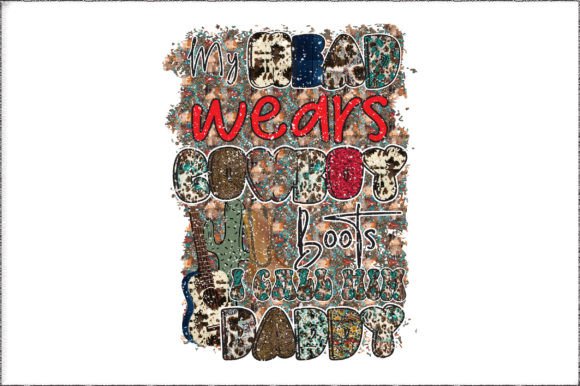
When you first load a PNG file like this into your digitizing software or preview it in a mockup tool, the layout is everything. This design carries a distinct Western flair mixed with modern humor. The visual personality suggests a playful, confident tone. It’s not subtle, and it shouldn’t be. For an embroidery project to work, especially one relying on text and graphic elements, the hierarchy must be clear.
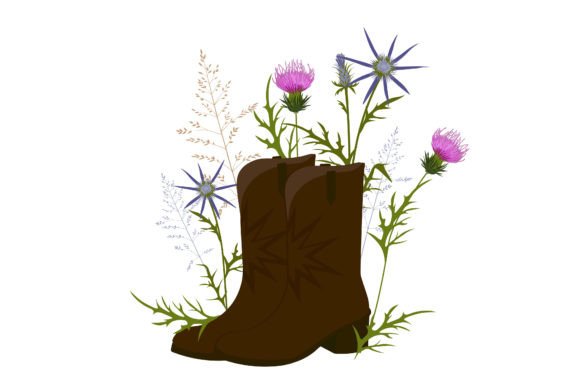
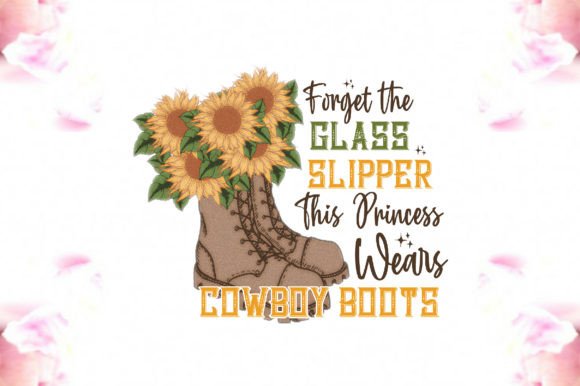
The composition feels balanced, which is crucial when transferring a 12×12 inch concept down to smaller hoop sizes. If the eye doesn’t know where to look, the finished product looks cluttered. In this case, the typography likely anchors the piece, while the cowboy boot imagery provides the emotional hook. It screams "custom apparel" potential. Whether it ends up on a denim jacket, a heavy cotton tote bag, or a cozy sweatshirt, the mood fits perfectly. It appeals directly to the maker community—those who value individuality and handcrafted authenticity over mass-produced uniformity.
Real-World Application: Where Does It Shine?
I’ve tested similar designs across various mediums, and My Head Wears Cowboy Boots I Call Him shows promise in several key categories. Let’s break down where this design truly excels in a commercial or personal context.
- Custom Apparel and Sweatshirts: This is the natural habitat for this design. On a heavyweight hoodie or a flannel shirt, the boldness of the phrase works because the fabric can support the weight of the embroidery. It adds a layer of texture that print cannot replicate, making it a premium handmade product.
- Tote Bag Design: Canvas totes are staples for craft fair sellers. A design like this serves as both art and utility. Customers love carrying something that reflects their sense of humor. The durability of the embroidery ensures the message survives countless trips to the grocery store or library.
- Baby Embroidery and Nursery Decor: While the phrase might seem edgy for a baby, the "cowboy" theme is timeless. Imagine this on a burp cloth, a muslin blanket, or a nursery pillow cover. The contrast between the rugged theme and soft fabrics creates a charming juxtaposition that parents often seek out for personalized gifts.
- Holiday Embroidery and Gifts: This design has strong gifting appeal. It’s perfect for stocking stuffers, bridal shower gifts for the bride who loves boots, or hostess presents. The specificity of the quote makes it feel tailored, even if it’s a pre-made digital file.
- Embroidered Patch: Converting this into a patch design is a smart move for small shop products. Patches allow customers to apply the design to hats, backpacks, or jean jackets themselves, expanding the reach of your original design assets.
Technical Considerations and Pitfalls
Not every design is created equal, and My Head Wears Cowboy Boots I Call Him comes with technical considerations that every embroiderer must respect. Ignoring these can lead to puckering, thread breaks, or a final product that looks amateurish.
First, consider the stitch density. Text-based designs often require dense satin stitches to remain legible. If the density is too high on thin fabric, you will see the backing material through the threads. Conversely, if it is too low, the letters may fray after washing. You must check the stitch count and ensure your stabilizer matches the fabric weight. For stretchy knits used in t-shirts, a cut-away stabilizer is non-negotiable to prevent distortion.
Second, hoop size limitations are real. While the source file is 12×12 inches, most home machines have smaller hoops (4x4, 5x7, or 6x10). You will need to resize the design carefully. Resizing down too much can merge separate letters or blur fine details. Always test the resized version on scrap fabric first. Check the corners and curves of the boot graphic to ensure they don’t become jagged or lose definition.
Third, think about thread colors and fabric texture. A dark fabric background requires light, high-contrast threads to make the design pop. If you are using a textured fabric like burlap or heavy tweed, fine details might get lost. In such cases, simplifying the design or choosing a smoother fabric is wise. Also, remember that this is a PNG file, meaning you are responsible for converting it into a valid embroidery file format compatible with your machine. Ensure you have the right software to trace and optimize the vector paths if needed.
Quality Control Checklist
- Test Stitch Density: Run a sample on the actual fabric you plan to sell. Look for puckering or show-through.
- Inspect Small Details: Zoom in on the lettering. Are the serifs sharp? Is the spacing consistent?
- Check Contrast: View your mockup in black and white to ensure readability without color distraction.
- Verify Licensing: Before listing this as a commercial embroidery item, double-check the terms. Can you sell the finished physical goods? Can you sell the digital file itself?
- Stabilizer Match: Ensure your stabilization method supports the design’s complexity.
Impact on Brand and Customer Trust
In the world of Etsy sellers and craft business owners, presentation is currency. Using a design like My Head Wears Cowboy Boots I Call Him signals that you understand current trends and customer desires. It shows attention to detail. When a buyer sees a clean, well-executed embroidery project, they trust the quality of the craftsmanship. This builds brand consistency and encourages repeat purchases.
Furthermore, this design enhances giftability. People rarely buy generic items for loved ones; they buy items that speak to their relationship. This phrase offers that personal touch. It invites interaction. A customer wearing a sweatshirt with this design becomes a walking advertisement for your shop, sparking conversations and driving organic engagement.
Final Verdict
My Head Wears Cowboy Boots I Call Him is more than just a cute graphic; it is a versatile tool for creative entrepreneurs. It bridges the gap between humorous internet culture and traditional craftsmanship. However, its success depends entirely on execution. As a designer, I advise you to treat it with respect. Test it thoroughly, choose your materials wisely, and present it professionally.
If you are looking to expand your design assets with something that has broad appeal yet distinct character, this is a strong candidate. It fits seamlessly into the graphics and crafts niches, offering endless possibilities for personalized gifts, custom apparel, and home decor. Just remember: the file is just the start. The magic happens when you bring it to life with quality thread and skilled hands.