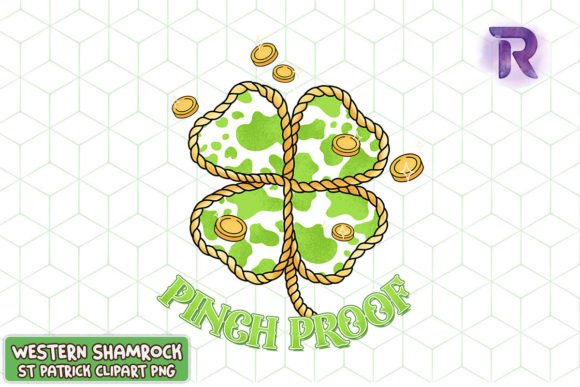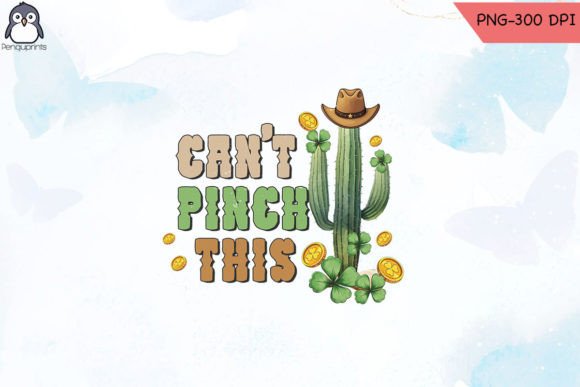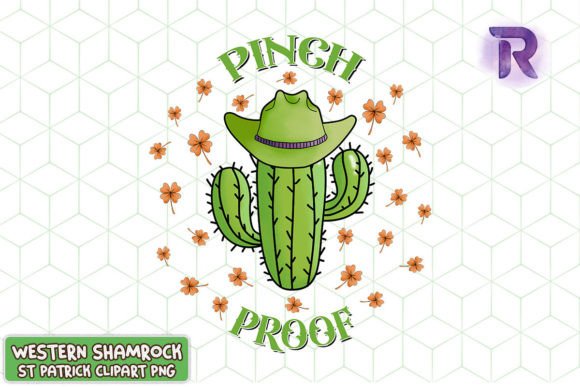
Pinch Proof Cactus Western St Patrick
As a designer who spends more time looking at stitch density and thread contrast than scrolling through endless marketplaces, I approach every new graphic with a healthy dose of skepticism. We are all tired of designs that look cute on a screen but fall apart under the needle or fail to translate into a sellable product. That is why I decided to put Pinch Proof Cactus Western St Patrick through its paces. This isn't just another generic holiday clipart; it is a specific intersection of western flair, botanical charm, and seasonal humor that demands careful consideration before it ever touches your embroidery hoop.
When I first pulled this file from my downloads folder, the immediate impression was one of playful character. The title alone suggests a narrative: a cactus that refuses to be pinched, likely wearing some sort of western attire or sporting a badge of honor. For an embroidery project aimed at craft business owners or hobbyists, this kind of built-in storytelling is gold. It gives you a hook for marketing. You aren't just selling a plant; you are selling a personality. Visually, the layout feels balanced enough to work as a standalone focal point on a garment or accessory, yet detailed enough to justify a higher price point in your Etsy listings.
Real-World Application: From Screen to Stitch
The true test of any machine embroidery design is how it behaves in physical space. I imagined using Pinch Proof Cactus Western St Patrick for a few different scenarios to see where it would shine. First, I visualized this on a heavyweight cotton canvas tote bag. The western theme pairs naturally with rugged textures, and the "pinch proof" concept adds a layer of durability that resonates with customers looking for long-lasting goods. If you convert this into an applique design, the sharp lines of the western hat or badge elements could pop beautifully against a neutral background fabric.
I also considered this for custom apparel, specifically sweatshirt embroidery. A cropped hoodie or a classic crewneck in heather grey or olive green would provide a perfect backdrop for the vibrant colors typically associated with this type of graphic. The design’s visual weight seems substantial, meaning it won’t get lost in the fabric weave. However, I had to think critically about the stitching technique. Would this work best with dense fill stitches for the body of the cactus, or should the artist rely on satin stitch outlines to keep the edges crisp? For a small shop product, clarity is king. If the details become muddy after three inches of stitching, the perceived value drops instantly.
Another strong use case I explored was baby embroidery. Personalized gifts for newborns often lean toward softer themes, but there is a growing market for quirky, humorous items for parents who appreciate dry wit. A onesie featuring a cactus that says "no pinching" could be a hit at baby showers. In this context, the design needs to be scaled down carefully. You want the character to remain recognizable without becoming so small that the intricate western details disappear. This is where testing on scrap fabric becomes non-negotiable.
Technical Considerations and Potential Pitfalls
While the artistic merit is clear, we must address the technical realities of digitizing or using this graphic. Since the product description notes this is primarily a cutting file (PNG format), any embroiderer planning to use this needs to understand the conversion process. A flat image does not automatically translate into optimized machine code. You will need to evaluate the stitch density yourself or ensure your digitizer has accounted for the complexity of the shapes.
There are specific areas where this design requires caution. If you plan to place this on curved surfaces like caps or hats, the western aesthetic might clash if the curvature distorts the symmetry of the cactus. Furthermore, textured fabrics such as terry cloth or heavy fleece can swallow up fine details. If the design relies on thin running stitch lines to define features, those lines may vanish entirely on a nubby surface. I strongly advise checking the design in black and white mockups to ensure the contrast holds up without color interference.
Dark fabric presents another challenge. If you choose a navy or black base, you will need to select bright, high-contrast thread colors to make the cactus pop. Conversely, on light fabrics, you might find that certain pastel threads blend too much, reducing the impact of the "western" vibe. Always inspect small details closely. If the design includes tiny text or delicate accessories, confirm that they will survive the washing cycle of the finished product. Embroidered patches and aprons endure significant wear and tear; if the stabilizer isn't removed properly or if the backing is too stiff, the final item will feel cheap rather than premium.
Brand Consistency and Customer Trust
In the world of handmade products, consistency builds trust. When a customer buys a personalized gift or a boutique item, they are paying for quality assurance. Using a well-executed design like Pinch Proof Cactus Western St Patrick signals that you pay attention to detail. It shows that you have curated assets that fit a cohesive brand identity. Whether you are creating digital embroidery files for other designers or selling physical merch, having a library of versatile, high-quality graphics allows you to maintain professionalism across your entire catalog.
This design also lends itself well to seasonal marketing. St. Patrick's Day is often dominated by shamrocks and leprechauns, which can feel repetitive. Introducing a cactus with a western twist offers a fresh alternative that still captures the festive spirit. It appeals to buyers who want something unique for their holiday embroidery projects. By offering something different, you increase buyer engagement and differentiate your store from competitors who are simply uploading the same standard holiday clips.
Practical Designer Notes
- Test on Scrap Fabric: Never run a full production batch without testing the design on the exact fabric you intend to sell. Check for puckering, thread breaks, and color accuracy.
- Verify Hoop Size: Ensure the design fits within your target hoop dimensions. If the western elements extend too far, you may need to resize, which can distort the aspect ratio.
- Check Licensing: Before listing this as a commercial embroidery asset or selling finished items, double-check the license terms. Some digital products restrict commercial use or require attribution.
- Use Proper Stabilizer: The choice of stabilizer can make or break the finish. Cut-away stabilizers are generally better for stretchy fabrics like jersey, while tear-away works well for woven cottons.
- Mockup Realistically: Use printable mockups to visualize the design on actual products. See how it looks on a tote bag versus a pillow cover to determine the best application.
Ultimately, Pinch Proof Cactus Western St Patrick is a strong candidate for anyone looking to add a touch of humor and style to their craft business. It bridges the gap between niche western aesthetics and popular holiday trends. By approaching it with a critical eye toward stitch quality and fabric compatibility, you can transform this graphic into a standout piece that customers will love to wear, carry, or display. Just remember that great embroidery starts with smart preparation, not just good graphics.