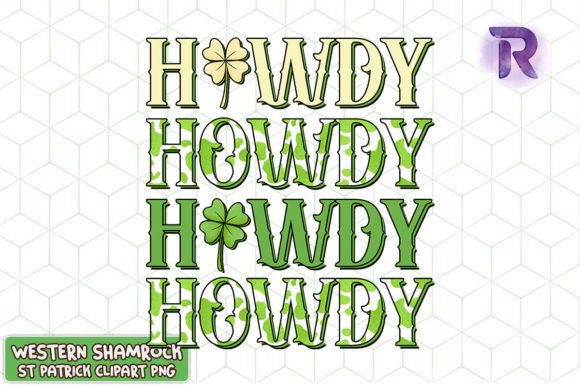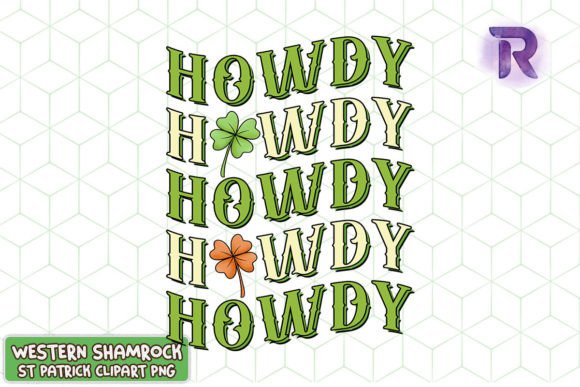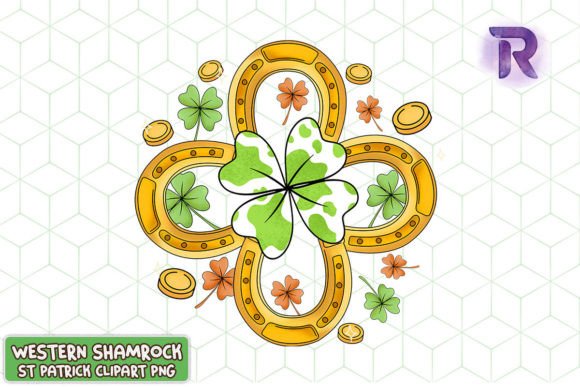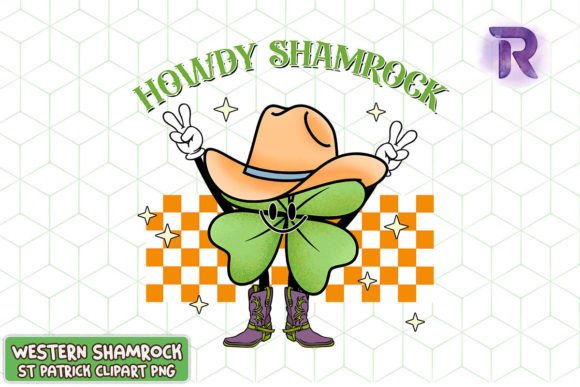
Howdy Shamrock Lucky Leaf Cowboy
When I sit down to evaluate a new digital asset for my embroidery studio, I am rarely looking for just "cute." I am looking for viability. Can this design hold up on a sweatshirt? Will it read clearly on a tote bag? Does it have the visual weight to justify a premium price point in a crowded Etsy marketplace? Today, I am putting Howdy Shamrock Lucky Leaf Cowboy under that same microscope. As an experienced designer and reviewer, I need to know if this graphic is ready for real-world stitching or if it belongs back in the folder of unused downloads.
First Impressions: The Vibe Check
The moment you load the file, the personality of the design jumps out. It is a collision of two distinct aesthetics: the rugged, western charm of cowboy culture and the playful, festive energy of St. Patrick’s Day. This is not a subtle, minimalist line art piece. It is bold. It is character-driven. It screams "statement piece."
For a craft business owner, this mood is gold. It solves a specific problem: how do you create seasonal merchandise that feels unique rather than generic? A standard shamrock is everywhere. A cowboy hat wearing a shamrock? That has narrative. That has a story. The layout suggests a central focal point, likely featuring a silhouette or illustration that combines these themes. Visually, it feels confident. It does not apologize for being loud, which means it works best when given space on a garment or accessory.
Real-World Application: Where Does It Shine?
I always imagine the finished product before I even touch the machine. So, where does Howdy Shamrock Lucky Leaf Cowboy belong? My immediate thought is custom apparel. Specifically, oversized sweatshirts or heavy cotton t-shirts. The design has enough visual mass to anchor a chest print or a full-back graphic without getting lost in the fabric weave.
Think about a boutique holiday gift shop in November or early March. You are creating personalized gifts for clients who want something fun for their St. Patrick’s Day party but also appreciate a bit of rustic flair. This design fits perfectly on a kitchen towel, an apron, or a pillow cover. It brings warmth and humor to the home decor category.
It also excels as a tote bag design. Canvas totes are a staple for the modern crafter. A bold, high-contrast graphic like this translates beautifully onto natural canvas or black polyester blends. It becomes a walking advertisement for your brand. If you are an Etsy seller or running a small shop product line, this is the kind of item that stops the scroll. It is memorable. It sparks conversation.
Furthermore, consider the baby embroidery market. Parents love quirky, non-traditional themes for nursery decor or baby onesies. While this design might be too bold for a tiny onesie front, it would look fantastic on a larger blanket or a stuffed animal accessory. It bridges the gap between gender-neutral playfulness and seasonal celebration.
The Technical Reality: Stitching and Stability
Here is where we get practical. The product description notes that this is a cutting file provided as a PNG at 300 DPI with a transparent background. For those of us working in machine embroidery, this presents a specific workflow challenge. If you intend to use this as an embroidered patch or direct-to-garment stitch-out, you cannot simply load a raster image into your embroidery software. You must trace it or convert it into vector paths first to generate the proper stitch data.
Assuming you have converted this into a usable embroidery file, let’s talk about execution. Designs with strong silhouettes often rely on fill stitches to create color blocks. When executing a design like this, you must pay close attention to stitch density. If the fill is too dense, the fabric will pucker, especially on lighter materials. If it is too sparse, the backing material may show through, ruining the clean look of the finished product.
I recommend testing this design on scrap fabric first. Use the same stabilizer you plan to use for the final project. Hoop tension is critical here. Because the design likely has defined edges, ensure your hoop size allows for adequate margin so the needle does not hit the edge of the hoop, which can cause thread breaks or misalignment.
Where to Exercise Caution
No design is perfect for every surface. There are scenarios where Howdy Shamrock Lucky Leaf Cowboy might struggle.
- Small Hoop Sizes: If you attempt to stitch this on a very small area, such as a child’s sock or a tiny jewelry pouch, the details will become muddy. The visual impact relies on scale. Keep it large enough to breathe.
- Textured Fabrics: Avoid bouclé, heavy tweed, or highly textured knits. The contrast needed for the design to pop will be lost in the fabric’s own texture. Stick to smooth cottons, polyesters, or blends.
- Stretchy Fabrics: Without proper stabilization, stretchy jersey fabrics can distort the shape of the design, making the cowboy elements look warped. Always use a tear-away or cut-away stabilizer depending on the fabric weight.
- Dense Stitch Areas: Be mindful of areas where multiple colors meet. If the design uses many thread colors, ensure your machine handles color changes smoothly. Too many layers of thread can make the fabric stiff and uncomfortable against the skin.
Visual Appeal and Brand Value
From a branding perspective, this design adds value. It signals that you understand trends but put a unique spin on them. When customers see a well-executed custom apparel item featuring this motif, they perceive higher quality. It looks intentional, not accidental.
Consider the thread colors. To maximize the visual appeal, choose threads that complement the theme. Bright greens for the shamrock elements, perhaps earth tones or denim blues for the cowboy aspects. High contrast is key. On dark fabric, light threads will pop; on light fabric, dark threads provide definition. Test your thread colors in black and white mockups to ensure the shapes remain distinct regardless of color.
Final Verdict for the Creative Entrepreneur
Howdy Shamrock Lucky Leaf Cowboy is a strong candidate for seasonal collections. It offers a fresh twist on traditional holiday imagery, making it ideal for craft business owners looking to stand out. It works exceptionally well for personalized gifts, holiday embroidery projects, and commercial embroidery items aimed at a fun, rustic demographic.
However, remember that this is a graphic asset. Your success depends on how you translate it into stitch. Take the time to digitize or prepare it correctly. Inspect small details. Confirm licensing if you plan to sell the digital embroidery file or the physical goods. When done right, this design has the potential to be a bestseller in your small shop product lineup.
For now, treat it as a versatile design asset waiting for your creative touch. Whether you are making embroidered patches, sweatshirt embroidery, or apron designs, this motif provides a solid foundation for a memorable handmade product. Just remember: test on scraps, check your tension, and let the design’s personality lead the way.